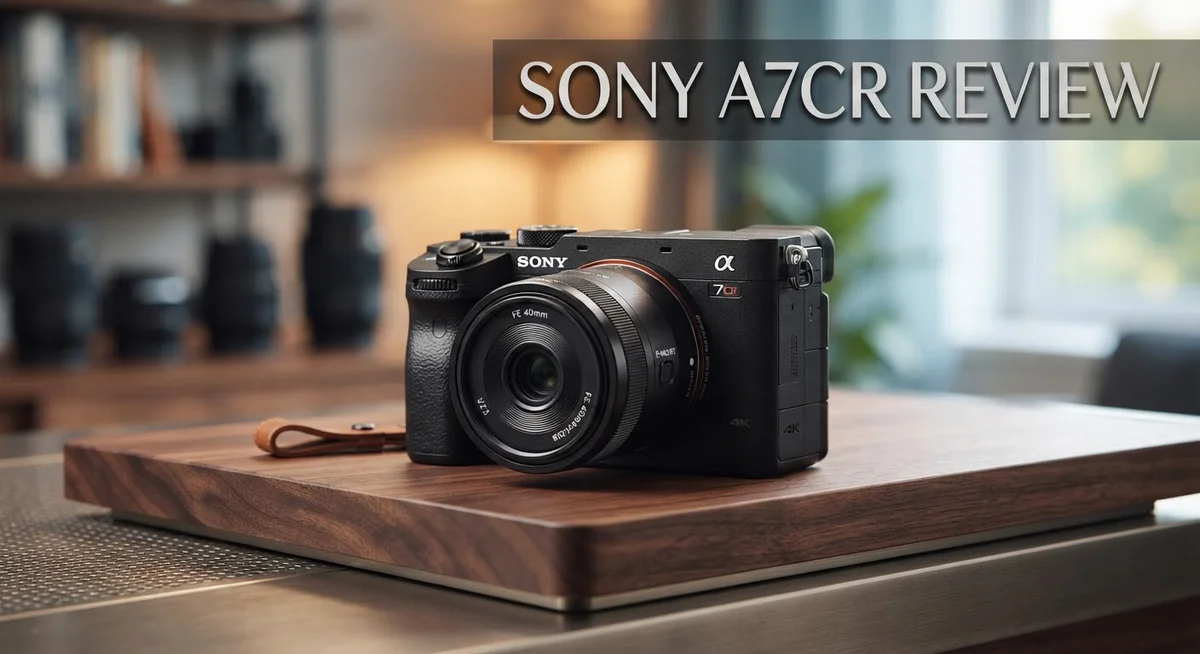
Sony A7CR Review: Full-Frame Mirrorless Camera for Professional Photography
Want a full frame camera that fits in your palm? The Sony A7CR packs a massive 61MP sensor into a tiny rangefinder body. This is not a small feat.
You get pro level resolution without the bulk. Sony added a 7 stop image stabilization system too. Your photos stay sharp even when your hands shake.
This review looks at real world performance. We test the autofocus. We check the low light results. We see how it handles on a long trek.
The A7CR is not just a shrunk down A7RV. It has its own personality and its own quirks. Some photographers will love it instantly.
Others might find the buffer depth annoying. Let’s find out if this compact powerhouse fits your workflow. We cover every pro and every con here.
In a Nutshell
Sony A7CR proves great photography does not need a huge body. Here is a quick nutshell view of where it wins and where it falls short.
- Fast autofocus locks onto eyes and moving subjects almost instantly, even in tricky light.
- 7 stop stabilization helps you grab sharp handheld shots long after sunset.
- Massive resolution gives you room to crop and print large without losing detail.
- Weather resistant build stands up well to rain, dust, and rough outdoor days.
- Flip screen and front dial make solo shooting and quick setting changes simple.
- Viewfinder specs and heavier lenses feel less balanced, so many treat it as a strong second body.
This quick summary helps photographers see if the A7CR fits their style. It rewards those who value portability without giving up serious image quality.
Sensor and Resolution
The Sony A7CR uses a 61MP full frame Exmor R CMOS sensor that captures exceptional detail. Sony lists the total at 62.5MP, which means you get serious resolution in a body smaller than most compact cameras. This sensor sits at the heart of what makes the A7CR special for photographers who need high resolution without bulk.
Resolution this high opens up real creative options. You can crop images aggressively and still maintain print quality. Landscape photographers love this flexibility. Travel shooters appreciate the ability to reframe shots in post production without losing sharpness. The 61MP count puts you in professional territory for large format work.
The BIONZ XR processor handles all that pixel data smoothly. This chip processes images faster than older Sony processors. It also powers the camera’s smart autofocus system and noise reduction algorithms. You notice the difference when shooting in dim light or working with fast burst sequences.
Low light performance stands out as a genuine strength. The sensor maintains excellent detail and keeps noise under control even at higher ISOs. This matters for indoor events, evening landscapes, or overcast days. The balance between noise suppression and detail retention feels natural and not over processed.
Dynamic range is another sensor highlight. Shadows hold recoverable detail, and highlights stay controlled. This gives you flexibility in post production editing. You can lift shadows or pull down bright areas without creating obvious artifacts or banding.
The compact size makes this resolution achievement even more impressive. Fitting 61MP into a rangefinder body required smart engineering. The sensor design prioritizes efficiency and heat management. This keeps the camera cool during extended shooting sessions.
One practical note: this much resolution means larger file sizes. You’ll need fast memory cards and adequate storage. RAW files sit around 100MB each, so buffer management matters for continuous shooting. The A7CR handles this reasonably well, though burst depth has limits compared to higher end models.
The sensor delivers on its promise of high resolution in a travel friendly package. It excels for photographers who value image quality and portability equally.

- Unparalleled resolution in a compact and lightweight camera
- Full-frame 61.0-megapixel Exmor R image sensor
- BIONZ XR processing power for exceptional image quality

Last update on 2026-11-09 / Affiliate links / Images from Amazon Product Advertising API
Design and Build Quality
The Sony A7CR breaks the mold of what a full frame camera should look like. Sony squeezed a 61MP sensor into a body that weighs significantly less than competing models. This compact rangefinder design makes it the lightest full frame mirrorless camera available with weather sealing and in body stabilization.
The build quality reflects Sony’s commitment to durability. Weather resistant seals protect against rain, dust, and moisture. You can shoot in demanding outdoor conditions without constant worry. The magnesium alloy chassis feels solid without adding unnecessary bulk.
Ergonomics received real attention in the A7CR design. The front command dial sits exactly where your hand naturally rests. This placement makes quick adjustments smooth and intuitive. The fully articulating screen flips down for low angle shots and rotates for comfortable overhead framing. Solo photographers and content creators benefit most from this flexibility.
The camera does come with practical tradeoffs. Larger lenses create front heavy balance, especially telephoto options. Some users pair it with compact primes to maintain the size advantage. The compact body also means less real estate for button placement, so menu diving happens more often than on larger cameras.
Build materials show attention to detail throughout. The grip provides solid purchase despite the narrow frame. Controls feel precise and responsive. The shutter mechanism operates smoothly across all speeds. Everything suggests this camera can handle years of active use.
Size comparisons matter here. The A7CR sits noticeably smaller than the A7RV and A7C series models. You actually notice the difference when packing gear for trips. This compactness becomes the defining characteristic of the design philosophy.
The rangefinder aesthetic appeals to photographers who value simplicity and elegance. The traditional design language connects to classic film cameras. This retro inspired look pairs with genuinely modern functionality.
Overall, the design and build quality deliver on the promise of a professional grade camera in a travel friendly package. Weather sealing and IBIS typically require larger bodies. The A7CR proves this assumption wrong. Photographers get serious durability and capability without the weight penalty.
Autofocus and Performance
The Sony A7CR’s autofocus system combines speed with accuracy. The camera locks onto subjects rapidly, even in challenging lighting conditions. Eye detection works reliably on both humans and animals, making it excellent for portrait and wildlife work.
Continuous autofocus tracking performs well on moving subjects. The system maintains focus as your subject shifts across the frame. This capability matters when you’re shooting video or capturing action sequences.
Performance in low light stands out as a real strength. The camera maintains autofocus accuracy even when ambient light drops significantly. You can shoot handheld in dimly lit environments without struggling to achieve focus lock.
The BIONZ XR processor handles the heavy computational load smoothly. This chip processes the 61MP sensor data without lag or delays. Autofocus response feels snappy and responsive across different shooting modes.
One practical limitation affects burst shooting capability. The buffer depth restricts how many frames you can capture in rapid succession before the camera slows down. This means the A7CR works better for controlled shooting than for extended burst sequences. Photographers who need machine gun autofocus performance might find this frustrating.
The 7 stop in body stabilization pairs well with autofocus performance. Steady footage and sharp stills come easier when you’re handholding the camera. This combination lets you shoot at slower shutter speeds without motion blur.
Autofocus customization options give you control over tracking behavior. You can adjust sensitivity to suit your specific shooting style. Different subjects require different settings, and the A7CR provides those adjustments.
The autofocus system works best for deliberate shooting rather than rapid fire capture. Photographers who compose carefully and take single shots or small bursts will find the performance excellent. Those who rely on continuous burst shooting should consider this limitation before committing.
Overall, the autofocus and performance deliver professional results in most situations. The system excels at precision and accuracy. The buffer limitation represents the main tradeoff you accept with this compact design.
Top 3 Alternatives
Canon EOS R5

- High Image Quality: Canon EOS R5 8K digital camera features a stacked, back-side illuminated...
- Powerful Image Processor: DIGIC X image processor with an ISO range of 100-51200; expandable to...
- High-Speed Shooting: High-speed continuous shooting of up to 12 fps with mechanical shutter and up...
Last update on 2026-11-09 / Affiliate links / Images from Amazon Product Advertising API
The Canon EOS R5 stands out as a powerful full-frame mirrorless camera. It features a 45-megapixel sensor that captures incredible detail in every shot. The camera records 8K video, which puts it ahead of many competitors in the video space.
Autofocus performance is exceptional here. The camera uses Canon’s Dual Pixel CMOS AF system, giving you fast and accurate focus tracking. You’ll appreciate the weather-sealed body for shooting in tough conditions.
The ergonomics feel natural in your hands. Battery life is solid, allowing you to shoot longer sessions without frequent changes. Heat management during extended video recording works well for most users.
Nikon Z9

- Bundle Includes: Nikon Z9 Mirrorless Digital Camera (Body Only) + 120GB G Series XQD Memory Card...
- Experience exceptional image quality with the Nikon Z9's 45.7MP FX-format stacked CMOS sensor paired...
- Capture decisive moments with continuous shooting speeds up to 20 fps in RAW, 30 fps in JPEG, and up...
Last update on 2026-11-09 / Affiliate links / Images from Amazon Product Advertising API
The Nikon Z9 delivers professional-grade performance in a robust package. This camera packs a 45.7-megapixel sensor and shoots 8K video at 60fps, making it ideal for high-end content creators.
Speed matters here. The Z9 offers rapid burst shooting at 20fps with full autofocus tracking. The autofocus system covers nearly the entire frame, so you rarely miss critical moments.
Build quality feels premium and durable. The camera handles extreme temperatures and moisture effectively. Nikon’s lens ecosystem provides excellent options for various shooting styles.
Panasonic Lumix S5

- A LIGHTWEIGHT, POWERFUL HYBRID CAMERA FOR VIBRANT STILL PHOTOGRAPHY AND CINEMATIC VIDEO: Realize...
Last update on 2026-11-09 / Affiliate links / Images from Amazon Product Advertising API
The Panasonic Lumix S5 offers a different approach to full-frame mirrorless photography. It features a 24.2-megapixel sensor, which balances resolution with file management simplicity.
Video capabilities shine with 4K recording at high frame rates. The camera includes in-body stabilization, reducing shake during handheld shooting. Panasonic’s color science produces warm, natural tones that many photographers love.
The S5 is lighter and more compact than many alternatives. This makes it perfect for travel and run-and-gun scenarios. The price point positions it as an accessible entry into premium mirrorless systems.
Image Stabilization and Low-Light Capability
The Sony A7CR delivers impressive stability through its 7-stop in-body image stabilization system. This means you can shoot at slower shutter speeds without camera shake ruining your shots. The stabilization works across five axes, so it catches movement in multiple directions.
Low light is where this camera truly shines. The 61MP sensor maintains excellent detail even when you’re shooting in dim conditions. The BIONZ XR processor works hard to keep noise minimal while preserving the information your sensor captures. You get clean images without that muddy, over-processed look.
The combination of stabilization and low-light strength makes this camera particularly useful for travel and indoor work. You don’t need to push your ISO as high as you might with other cameras. This means your images stay cleaner and retain more texture. The dynamic range helps too, giving you flexibility when you edit photos later.
One real advantage emerges when you’re shooting video or handheld stills in challenging light. The stabilization lets you use lenses wide open without worrying as much about hand movement. This opens up creative options for shallow depth of field shots in darker environments.
The sensor’s full-frame design also contributes to low-light capability. Larger sensors naturally handle shadows better than smaller formats. Each pixel captures more light information, which translates to better performance when ambient lighting drops.
Keep in mind that extreme low-light situations still have limits. No camera performs perfectly in complete darkness. However, the A7CR handles typical indoor venues, evening events, and twilight scenes with confidence. You’ll notice the difference compared to older camera models.
The stabilization system pairs well with Sony’s autofocus technology. Your camera can focus accurately even when you’re moving or shooting in dim conditions. This reliability makes the A7CR a solid choice for photographers who work outside controlled studio settings. The system works best when you embrace its strengths rather than expecting it to solve every shooting challenge.
Screen and Viewfinder Experience
The Sony A7CR’s screen and viewfinder setup presents an interesting contrast between traditional and modern approaches. The fully articulating display opens up creative angles that photographers typically reserve for larger cameras. You can flip it out for low-angle shots, selfies, or high-angle compositions without contorting your body.
The screen itself delivers solid color accuracy and brightness for outdoor use. Touch functionality works smoothly across the interface. You get real-time exposure preview, which helps you nail exposure before you press the shutter. The articulating design proves especially valuable for trekking since you can compose shots without holding the camera at awkward positions.
On the viewfinder side, the A7CR follows a more traditional path. The electronic viewfinder provides a clear view of your scene, though the specs aren’t cutting-edge compared to Sony’s flagship models. You’ll notice the refresh rate and magnification are practical rather than premium. This represents one of the intentional tradeoffs Sony made to keep the camera compact and lightweight.
The viewfinder and screen work together effectively for different shooting styles. Use the screen for creative angles and video work. Switch to the viewfinder for stable, eye-level composition during deliberate shooting sessions. Many photographers appreciate this flexibility rather than relying solely on one option.
One practical note: the screen’s articulation means you sacrifice some weather sealing compared to fixed displays. Sony did engineer it carefully, but you’ll want to be mindful during heavy rain or splashing scenarios. The rangefinder body design actually complements the articulating screen nicely. The compact profile means the screen doesn’t extend far from the body when flipped out.
For content creators and travel photographers, the screen flexibility adds real value. You can capture footage from angles that would normally require external rigs or creative positioning. The combination of articulation and the camera’s small size creates opportunities that larger full-frame cameras simply cannot match. This feature alone justifies consideration if your work involves varied shooting perspectives.
Pros and Cons
Pros
- Delivers 61MP resolution in the smallest, lightest full-frame mirrorless body with weather sealing and IBIS
- Excellent autofocus system that tracks moving subjects accurately, even in low light conditions
- Strong low-light performance maintains detail and keeps noise under control for indoor and evening shots
- Fully articulating screen lets you shoot from awkward angles, perfect for travel and creative compositions
- Ergonomic improvements over the A7C make the camera more comfortable to hold and operate
Cons
- Limited buffer depth means you cannot shoot long bursts of images rapidly without the camera slowing down
- Viewfinder specs fall short compared to competing full-frame models in this class
- Front-heavy design with larger lenses can make handheld shooting tiring during extended sessions
- Better suited as a secondary camera rather than your main workhorse for professional work
Who Should Buy It
The Sony A7CR suits specific photographers with particular needs. If you shoot travel and adventure work, this camera fits your lifestyle. The compact body weighs less than competing full-frame models. You can carry it all day without fatigue.
Content creators benefit from the articulating screen. You can film yourself, shoot overhead angles, or capture low-to-ground perspectives. The flexibility opens creative possibilities that fixed screens cannot match.
Professionals who need high resolution will appreciate the 61MP sensor. You get exceptional detail for cropping, printing large formats, or detailed editing. This makes the camera valuable for fashion, landscape, and studio photographers.
The weather sealing matters if you work outdoors regularly. Rain, dust, and humid environments won’t damage your investment. Combined with the compact size, this makes ideal adventure photography gear.
However, the A7CR is not for everyone. If you shoot fast-paced action like sports or wildlife, look elsewhere. The limited buffer depth slows your burst shooting speed. You cannot fire rapid sequences without the camera pausing to process images.
Video enthusiasts should consider other options. While the camera handles video, it’s not optimized for extended recording sessions. The viewfinder also has limitations if you prefer traditional optical experiences.
Beginners might find better alternatives. The camera demands understanding of manual settings and Sony’s menu system. You need experience to maximize its capabilities.
If you already own Sony lenses, the A7CR integrates seamlessly. Your existing glass works perfectly with the autofocus and stabilization systems. This makes upgrading from an older Sony body a logical choice.
The camera shines for photographers who value portability without compromise. You get full-frame quality in a body that fits backpacks and travel bags. Hybrid shooters who mix stills and video find real value here.
Bottom line: buy the A7CR if you prioritize compact size, resolution, and travel capability. Skip it if you need sustained burst shooting or fast-action performance. It’s a specialist camera for photographers with specific demands, not a general-purpose workhorse.
Final Verdict
The Sony A7CR earns its place as a serious tool for photographers who travel light. Its blend of resolution and portability sets it apart from bulkier full-frame options like the Sony A7RV, which offers similar megapixels but adds weight and size.
Compared to the Sony A7C series, the A7CR pushes resolution further without asking you to carry more gear. This makes it a natural upgrade path for existing A7C owners who want sharper detail.
Against APS-C options like the Nikon Z 50, the A7CR plays in a different league entirely. Full-frame quality in a small body gives it a clear edge for anyone serious about image quality.
Buffer depth remains the biggest tradeoff. If you shoot fast action or sports, this camera will test your patience. The viewfinder also feels basic next to rivals in this class.
Think of the A7CR as a specialist rather than an all-rounder. It rewards photographers who plan their shots instead of spraying and praying with burst mode.
Street photographers, landscape shooters, and travel documentarians will find this camera fits their workflow well. The compact design disappears into your routine instead of getting in the way.
Studio photographers and portrait specialists also benefit from the sharp detail this sensor captures. Skin tones and textures render beautifully at this resolution.
The camera asks you to accept some compromises for its size and clarity. That tradeoff feels fair once you handle the body and see the output.
This is not a camera for everyone, and that is fine. It targets a specific type of photographer who values precision over speed.
If your work matches its strengths, the A7CR delivers results that punch above its size. Pair it with quality glass, and it becomes a genuinely capable creative partner.
Choose this camera when portability and resolution matter more than raw shooting speed. For that specific need, it performs exceptionally well.
Frequently Asked Questions
Is the Sony A7CR good for video?
The A7CR prioritizes still photography over video. It lacks advanced video features that dedicated filmmakers expect. If video is your main focus, consider other Sony models instead. The camera excels at capturing stills with exceptional detail and resolution.
Can I use my existing Sony lenses on the A7CR?
Yes. The A7CR uses the Sony E-mount system. All Sony E-mount lenses work seamlessly with this camera. If you already own Sony glass, you can start shooting immediately without buying new lenses. This compatibility makes upgrading from other Sony models straightforward.
Does the A7CR work well for sports photography?
The autofocus system tracks moving subjects accurately, even in challenging light. However, buffer depth is the limiting factor. The camera cannot sustain long bursts without slowing down. If you shoot rapid sequences of fast action, you may experience delays. Sports photographers who need continuous high-speed shooting should explore other options.
What makes the A7CR different from the A7RV?
The A7CR offers a compact, lightweight design that the A7RV does not match. Both cameras share the 61MP sensor and excellent autofocus. The A7CR is smaller and lighter, making it ideal for travel. The A7RV provides a more traditional body with deeper buffer capacity. Choose the A7CR if portability matters most to you.
Who should actually buy this camera?
Travel photographers, landscape shooters, and documentarians thrive with the A7CR. Street photographers appreciate the compact size. Anyone who values resolution without extra weight finds this camera perfect. Studio and portrait specialists also benefit from the sharp 61MP sensor. This camera is a specialist tool, not an all-purpose workhorse.

DK is a tech enthusiast and product reviewer dedicated to helping readers explore the ever-evolving world of technology. With a passion for testing gadgets, apps, and appliances, DK delivers honest, in-depth reviews and practical buying guides to make your tech decisions easier.