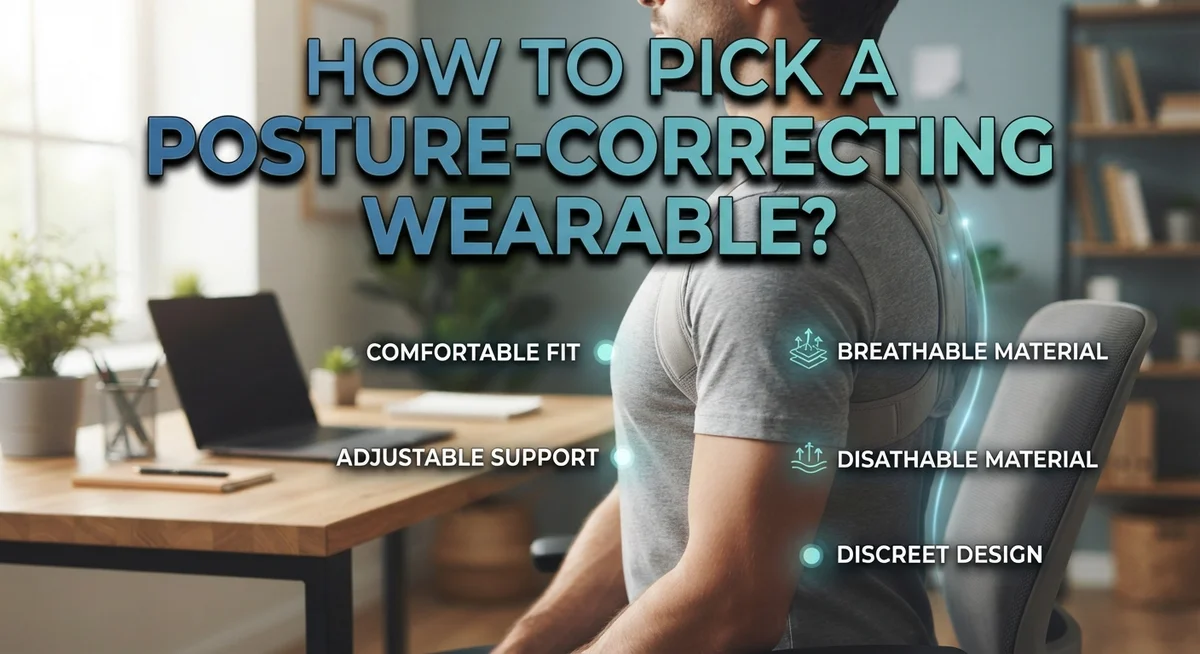
How to Pick a Posture-Correcting Wearable?
Do you slouch at your desk and wonder if a posture-correcting wearable can help? You are not alone. Many people search for a quick fix to back pain and rounded shoulders.
The truth is, not all posture correctors work the same way. Some target your upper back. Others focus on your shoulders or lower spine. Picking the wrong one can waste your money and time.
This guide will help you understand how these wearables work. You will learn to identify your specific weak areas first. This step matters more than most people realize.
We will also cover wear duration. Some devices suit short daily use. Others are gentle enough for all day wear.
You will discover common mistakes people make when choosing a corrector. We will also answer a big question: do these devices actually work?
By the end, you will know exactly what to look for. You will feel confident picking a wearable that fits your body and your goals. Let’s get started on your journey to better posture.
In a Nutshell
Here is a quick summary to help you choose the right posture-correcting wearable.
-
Know your weak spot first. Your shoulders, upper back, or lower back may need different types of support. Pick a device that targets your specific problem area.
-
Match the device to your daily routine. Some correctors work great for short wear, while others suit all day use. Think about how long you can realistically wear one.
-
Gentler options work better for longer wear. If you plan to wear your corrector for hours, choose something soft and comfortable. Specialized bras and wearables often fit this need.
-
Avoid generic picks. A one size fits all corrector may not fix your specific issue. This is a common mistake that wastes both time and money.
-
Check with a physical therapist if unsure. Experts can confirm whether a corrector will actually help your posture. This step saves you from guessing.
-
Test comfort before committing. A corrector that feels too tight or restrictive will not get regular use. Comfort matters just as much as function.
Understanding How Posture Correctors Work
Posture correctors work by applying gentle pressure to your shoulders and back. This pressure reminds your muscles to stay in a better alignment. Over time, your body learns the correct position and may maintain it naturally.
Different devices use different methods. Some use straps that pull your shoulders back. Others use a vest style that supports your entire upper back. A few use smart sensors that vibrate when you slouch. Each approach targets different problem areas.
The key is understanding how your body responds. A strap corrector works best if your shoulders round forward. A vest corrector helps more if your entire upper back needs support. Smart devices work well if you need constant reminders throughout the day.
Your muscles play a big role in how well a corrector works. Weak back muscles make slouching easier. A corrector can’t strengthen muscles by itself. It works best when combined with exercises that build strength in your upper back and shoulders.
The duration you wear a corrector matters greatly. Short term wear (1 to 2 hours) can use stronger pressure. Your muscles won’t get irritated during brief use. Longer wear (4 to 8 hours daily) requires gentler options. Tight pressure all day can cause discomfort or skin irritation.
Your body type also affects which corrector works best. Broader shoulders need wider straps. Smaller frames may find standard sizes too loose. Some devices adjust better than others to fit different body shapes.
The most effective correctors combine support with your own effort. A device holds you in position while your muscles learn. You must also do strengthening exercises and practice good posture habits. Without this combination, results will be limited.
Understanding these mechanics helps you pick a corrector that actually fits your needs. You can then make a choice based on your specific weak areas and lifestyle.
Identifying Your Specific Posture Weak Points
Your posture weaknesses are unique to your body. Before buying any wearable, you need to figure out exactly where you struggle. This step saves you money and ensures you get the right device.
Start by observing yourself throughout the day. Do your shoulders round forward when you work at a desk? Does your upper back feel tight by evening? Does your lower back ache after sitting? Pay attention to which areas hurt most or feel most fatigued.
Take a photo of your posture from the side. Stand naturally and have someone snap a picture. Look at where your ears, shoulders, hips, and knees align. Forward head posture shows ears in front of shoulders. Rounded shoulders reveal collapsed chest positioning. Swayback indicates lower spine curves too much.
Ask yourself these questions. When do you notice bad posture most? Is it during work, exercise, or all day long? Which body region feels the strain? Does pain come and go or stay constant?
Consider your daily activities too. If you spend eight hours typing, your upper back and shoulders need focus. If you stand most of the day, your lower back may need more support. Athletes might need different correction than office workers.
Physical weakness matters as well. Tight chest muscles and weak back muscles create forward shoulders. Weak core muscles allow lower back slouching. Understanding your specific muscle imbalances helps you choose the right support level.
Write down your findings. Document which areas need help most. Note when problems happen. This information guides your selection process perfectly.
Some people have one major weak point. Others struggle with multiple areas. Knowing your pattern prevents buying a device that targets the wrong region. This awareness makes the difference between a useful tool and wasted money sitting in a drawer.
Matching Wearable Types to Target Body Areas
Different body areas need different types of support. Your shoulders, upper back, and lower back each have unique correction needs. Understanding which area requires help is the first step toward finding the right wearable.
Shoulder and upper back issues often respond well to vest-style correctors. These devices wrap around your torso and gently pull your shoulders backward. They work by creating awareness of your shoulder position throughout the day. Vest correctors suit people who spend hours at desks or computers.
Lower back problems require different support. Lumbar braces focus on stabilizing your spine’s lower region. They provide targeted compression to your lower back muscles. These work best when you need localized support without full torso coverage.
Neck and cervical spine issues demand specialized attention. Certain wearables focus specifically on neck alignment and head position. These are lighter devices that don’t restrict your full body movement. They’re ideal if your main problem is forward head posture.
Full body harness systems address multiple areas simultaneously. These comprehensive options support your shoulders, upper back, and lower spine all at once. They’re more restrictive but provide the most complete correction. Choose these if you have weakness across several regions.
Consider how your weak points connect. Forward shoulders often cause upper back strain. Lower back problems may stem from weak core muscles pulling your pelvis forward. Sometimes fixing one area improves another automatically.
Match your device type to your specific weak area. A shoulder-focused corrector won’t help lower back pain effectively. A lumbar brace won’t correct forward head posture. Identify your primary problem zone before selecting a wearable.
Your daily activities also influence which device suits you best. Office workers benefit from less restrictive options they can wear all day. Athletes may prefer more supportive devices for specific training sessions. Think about where your posture breaks down most during your typical day.
Evaluating Wear Duration and Comfort Needs
Wear duration is one of the most important factors when choosing a posture corrector. You need to match the device’s design to how long you plan to use it each day.
Gentler devices work better for extended wear. If you want to wear your corrector for 8+ hours daily, pick something soft and flexible. Rigid devices can cause discomfort or skin irritation during long sessions. Your skin needs to breathe, and your muscles need some freedom to move.
Consider your comfort tolerance honestly. Some people feel fine wearing firm support all day. Others find any pressure uncomfortable after a few hours. There’s no right answer here. What matters is choosing a device that matches your actual tolerance level, not what you think you should tolerate.
Think about your daily activities too. If you sit at a desk most of the day, you can wear a firmer corrector. If you move around constantly, you’ll want something more flexible. A corrector that works perfectly while sitting might feel restrictive when you walk or reach for things.
Start with shorter wear periods to test comfort. Wear your device for 1 to 2 hours initially. Notice how your skin feels afterward. Check for red marks or irritation. Gradually increase wear time as your body adapts. This approach helps you find your actual comfort limit.
Different corrector styles offer different comfort levels. Specialized designs exist specifically for all-day wear. Some materials breathe better than others. Adjustable straps let you control pressure levels throughout the day.
Be honest about your lifestyle. A device you won’t wear won’t help your posture. Choose something you can realistically use consistently. Comfort directly affects whether you’ll stick with your corrector long term. Your best device is one you’ll actually want to wear every day.
Step-by-Step Process for Choosing the Right Device
Choosing the right posture corrector requires a systematic approach. Start by honestly assessing which specific areas of your body need the most support. Do you struggle with rounded shoulders? Is your lower back the main problem? Does your neck curve forward? Your answer determines everything else.
Next, understand that different devices target different zones. Vest style correctors excel at shoulder and upper back issues. Lower back problems need devices with lumbar support. Neck issues require cervical spine support. Full body harnesses work when multiple areas need attention simultaneously.
Consider how these weak points connect to each other. Forward shoulders often link to a rounded upper back and weak chest muscles. Lower back problems might relate to core weakness. Understanding these connections helps you pick a device that addresses your root issues, not just surface symptoms.
Your lifestyle matters significantly in this decision. If you sit at a desk eight hours daily, you need something comfortable enough for extended wear. If you’re active and moving around, you want support that doesn’t restrict movement. Think about what you actually do each day before selecting a device.
Test your comfort tolerance honestly. Some people tolerate firm support easily. Others find anything tight uncomfortable. Your answer affects which device style will actually work for you long term.
Start with shorter wear periods to test how a device feels. Wear it for one to two hours initially. Gradually increase duration as your body adapts. This approach prevents disappointment and helps you discover if a particular style truly suits your needs.
Finally, avoid picking generic correctors without this assessment work. Generic devices rarely address your specific weak points effectively. Your individual body requires individual solutions. Taking time upfront saves money and frustration later.
Common Mistakes to Avoid When Selecting a Corrector
Many people make critical errors when shopping for posture correctors. Understanding these mistakes helps you avoid wasting money on devices that won’t work for your situation.
The biggest mistake is buying a generic corrector without identifying your specific weak areas first. You might purchase a shoulder-focused device when your real problem is lower back weakness. This happens because people assume all posture issues are the same. They are not. Your body has unique trouble spots that need targeted support.
Another common error involves ignoring wear duration completely. You might select a firm, rigid corrector designed for short sessions, then try wearing it for eight hours daily. Your body rebels. The device becomes uncomfortable, and you stop using it entirely. Match the corrector’s intensity to how long you actually plan to wear it.
Many people also overlook their lifestyle when choosing a device. If you sit at a desk all day, your needs differ from someone who moves around constantly. Your job, exercise routine, and daily activities should influence your selection.
Buying based on appearance or brand popularity is another trap. A corrector might look sleek online but feel wrong on your body. Generic reviews from strangers don’t account for your specific body shape or weakness patterns.
People often skip the testing phase too. They buy a device, use it once or twice, then abandon it. You need time to adjust to any corrector. Start with shorter wearing periods to understand how your body responds.
Finally, many shoppers ignore comfort tolerance entirely. Being honest about how much discomfort you’ll actually tolerate prevents poor choices. If you hate tight sensations, a rigid harness will sit unused in your closet.
These mistakes lead to products gathering dust and money disappearing. Taking time to avoid these errors ensures you pick a device that actually fits your life and body.
Signs a Posture Wearable Isn’t Working for You
A posture wearable that isn’t working shows clear warning signs. Pay attention to these signals so you don’t waste time and money on the wrong device.
Persistent discomfort is your first red flag. If wearing the device causes pain, pinching, or irritation after a week of use, something is wrong. Your skin might show redness or marks that don’t fade quickly. The device should feel snug but never painful. Discomfort means your body is rejecting it, not adapting to it.
Notice if you’re avoiding wearing it. When a device truly works for you, wearing it becomes routine. If you keep making excuses to skip it or remove it early, the device isn’t meeting your needs. You might find it too bulky under clothes, too restrictive, or simply uncomfortable for your lifestyle.
Check whether your posture is actually improving. After two to three weeks of consistent use, you should notice small changes. Your shoulders should feel less tense. Standing should feel easier. If nothing has changed, the device might not target your specific weak areas correctly.
Watch for skin irritation or allergic reactions. Some materials cause rashes or excessive sweating. These issues indicate a poor fit or incompatible materials for your skin type.
Pay attention to your wearing consistency too. If you’re only wearing it for short periods instead of the recommended duration, the device might be too uncomfortable for your actual lifestyle. This mismatch means you chose the wrong style.
Finally, track whether you’re actually using it daily. Devices gathering dust in drawers aren’t working. Real effectiveness requires consistent use over time. If you genuinely can’t stick with wearing it, that’s valuable information telling you to try a different approach or device type that suits your body and routine better.
Final Thoughts
Picking the right posture correcting wearable comes down to knowing your body first. Your specific weak areas matter more than any flashy feature. A device that works well for your friend might do nothing for you.
Take time to identify where your posture struggles most. Is it your shoulders rounding forward? Your lower back? Your neck jutting out?
Once you know your target zone, match it to a device built for that area. This simple step saves you money and frustration. Generic correctors rarely fix specific problems.
Think about your daily routine too. Someone sitting at a desk all day needs different support than someone standing during long shifts. Your lifestyle shapes which device will actually fit into your life.
Comfort tolerance plays a big role as well. Some people can handle firmer support all day. Others need gentler options they can wear for extended periods without irritation.
Testing matters just as much as choosing. Start with short wear sessions and pay attention to how your body responds. Give it two to three weeks before judging results properly.
Watch for warning signs along the way. Pain, skin irritation, or constant avoidance mean something isn’t right. A good wearable should feel supportive, not punishing.
Remember that posture correction is a gradual process. No single device fixes years of habit overnight. Pair your wearable with awareness and small daily adjustments for the best results.
If you stay unsure about which type suits your body, talking to a physical therapist helps. They can point you toward options that match your specific needs.
In the end, the right posture wearable is the one that fits your body, your routine, and your comfort level. Choose thoughtfully, test honestly, and give the process time to work.
Frequently Asked Questions
Do posture correctors work for everyone?
Posture correctors work differently for different people. Effectiveness depends on your specific weak areas, how consistently you wear the device, and whether you choose the right type for your body. Some people see results in 2-3 weeks. Others need more time.
The key is matching the device to your actual problem areas. If you have rounded shoulders, you need something different than someone with lower back slouching. Generic correctors often fail because they don’t target your specific needs.
How long should I wear a posture corrector each day?
Start with shorter wearing periods. Begin with 1-2 hours daily and gradually increase as your body adapts. Most people can comfortably wear gentler devices for 4-6 hours daily.
Wearing a corrector too long initially causes discomfort and discourages consistent use. Your muscles need time to adjust. Listen to your body and increase duration slowly over several weeks.
Will a posture corrector work if I sit all day?
Yes, but you need the right type. Desk workers need devices designed for extended sitting periods. Look for options that work under clothing and feel comfortable during long hours.
Pair your corrector with regular movement breaks. Stand up and stretch every hour. A corrector alone won’t fix posture. You still need to change your sitting habits and strengthen your core muscles.
How do I know if my posture corrector fits properly?
A proper fit means the device holds your shoulders back gently without causing pain or pinching. You should breathe easily and move your arms freely. Straps shouldn’t dig into skin.
Test it for 15-20 minutes before committing to longer wear. If you feel restricted or uncomfortable, try adjusting the straps. The right fit feels supportive, not restrictive.

DK is a tech enthusiast and product reviewer dedicated to helping readers explore the ever-evolving world of technology. With a passion for testing gadgets, apps, and appliances, DK delivers honest, in-depth reviews and practical buying guides to make your tech decisions easier.