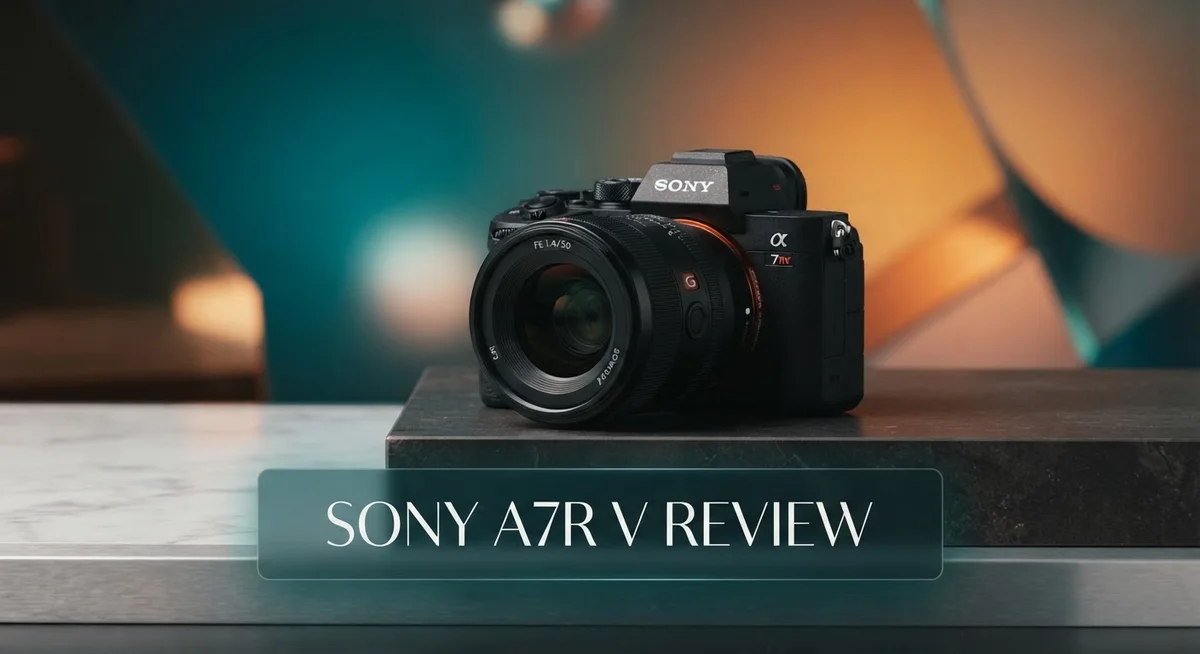
Sony A7R V Review: Full-Frame Mirrorless Camera for Professional Photography
The Sony A7R V is a powerful full-frame mirrorless camera. It brings together high resolution and smart technology. This camera aims to please serious photographers and videographers alike.
This camera shines with its AI powered autofocus. It tracks subjects with impressive accuracy. Whether you shoot wildlife or portraits, focus stays sharp.
Dynamic range on this camera is outstanding. Landscape shooters will love the detail it captures. Studio photographers also get reliable, clean results.
The A7R V handles 8K video too. It performs fast in almost every situation. Startup, menus, and buffering all feel quick and smooth.
No overheating problems show up during long shoots. Still, low light performance falls a bit short. Some quirks in the user experience exist too.
This review covers everything you need to know. Let us explore what makes this camera special.
In a Nutshell
Here is a quick summary of what the Sony A7R V brings to the table.
-
Speed feels instant. The camera starts up fast. Menus respond quickly. Buffering stays smooth even during long bursts.
-
Focus bracketing makes stacking shots simple. This helps with macro and landscape work where sharpness matters most.
-
This camera works well across genres. It handles landscape, portrait, wildlife, studio, and video projects with ease.
-
Low light performance falls short of expectations. Noise creeps in sooner than some rivals allow.
-
Video shooters should note that 8K footage still needs some polish. Sharpness and detail could improve here.
-
A few user experience quirks pop up during use. Menu layouts and button placement may need getting used to.
-
Compared to rivals like the Nikon Z8 and Canon R5 II, this camera holds its own in most areas. It also competes closely with the Sony A7R VI and A7CR in its own lineup.
Overall, the A7R V mixes strong everyday performance with a few rough edges worth knowing about.
Sensor and Image Quality
The Sony A7R V packs a 61-megapixel full-frame sensor that delivers exceptional clarity across the board. This high resolution gives you plenty of detail to work with, whether you’re printing large or cropping in post-production.
Dynamic range stands out as a major strength here. The sensor captures an impressive spread between the brightest and darkest areas of your scene. Shadows hold detail without looking crushed, and highlights stay controlled even in tricky lighting situations. This flexibility means you spend less time fixing exposure problems later.
Color science on the A7R V feels natural and accurate. Skin tones render smoothly, and landscapes show realistic greens and blues. The camera handles white balance well across different light sources, from daylight to tungsten.
One real limitation shows up in low light situations. When you push the ISO higher, noise becomes visible faster than you might want. This doesn’t make the camera bad for low light work, but it’s worth knowing if you shoot often in dim conditions or prefer shooting at high ISOs.
The sensor’s autofocus system uses AI subject recognition to lock onto faces, eyes, and animals with impressive speed. This tech works alongside traditional contrast detection to keep focus sharp even when subjects move unpredictably. The focus bracketing feature lets you capture multiple shots at different focus distances, perfect for stacking images later.
8K video capability adds another dimension to image quality. The footage looks sharp and detailed, though the file sizes are enormous and processing demands are heavy. Some users report that 8K performance still feels like it’s being refined compared to other professional features on this camera.
The sensor produces clean files throughout the standard ISO range. Fine detail stays crisp, and the overall image structure feels solid. Whether you’re shooting portraits, landscapes, or studio work, the A7R V delivers consistent, high-quality results that satisfy professional standards. The real magic happens when you combine this sensor with the camera’s fast autofocus and reliable performance.

- A whole new level of camera intelligence from new AI processing unit.Aspect Ratio : 3:2
- Next-generation AF with Real-time Recognition autofocus deep learning AI
- 61.0 MP full-frame back-illuminated Exmor R CMOS sensor

Last update on 2026-11-08 / Affiliate links / Images from Amazon Product Advertising API
Autofocus and Performance
The Sony A7R V delivers autofocus performance that feels genuinely responsive. The camera locks onto subjects quickly and maintains focus throughout continuous shooting. This speed comes from the AI powered autofocus system that recognizes faces, eyes, and animals in real time.
The autofocus system uses advanced algorithms to predict subject movement. You’ll notice this especially when shooting moving subjects. The camera adjusts focus before you even realize the subject has shifted position. This predictive quality makes wildlife and sports photography much easier.
Focus bracketing stands out as a practical feature for detail oriented photographers. You can capture multiple frames with slight focus shifts automatically. This technique works great for landscape work where you want maximum sharpness from foreground to background. Stacking these images later gives you exceptional depth of field.
Performance across the board feels snappy. The camera buffers images quickly during burst shooting. Menu navigation happens without lag. Loading times are minimal whether you’re reviewing images or adjusting settings. This responsiveness makes shooting feel fluid and natural.
The autofocus system does have moments where it hunts slightly in very low contrast situations. This doesn’t happen often during normal shooting. Most users won’t encounter this issue during everyday use. The camera performs best when there’s adequate light and visible subject detail.
Continuous autofocus tracking works smoothly during video recording. The system adjusts focus silently without hunting or jumping. Video shooters will appreciate how the camera maintains focus during pans and subject movement. The autofocus rarely pulls focus unexpectedly during video work.
One area that needs attention is autofocus performance in extreme low light. The system slows down when light levels drop significantly. This is a known limitation rather than a surprise. Photographers shooting in dim environments should use focus peaking or manual focus as backup options.
Overall, the autofocus and performance combination makes the A7R V a capable camera for most shooting situations. The speed and reliability will satisfy professionals and enthusiasts alike. The system handles everyday shooting demands without frustration.
Video Capabilities and 8K Recording
The Sony A7R V steps into 8K video territory with genuine capability, though it requires some understanding before you hit record. The camera captures 8K footage at 24p and 25p, giving you massive resolution for future proofing your video projects.
8K recording demands serious storage and processing power. You’ll need fast UHS II SD cards to handle the bitrate without dropping frames. External recorders aren’t required, but many videographers use them anyway for backup and flexibility. The files themselves are substantial, so plan your workflow around that reality.
The autofocus system carries over from the photo side, which means continuous tracking works smoothly during video. Subjects stay locked whether you’re filming wildlife or walking through a scene. The AI recognition helps keep faces and eyes sharp without constant manual adjustment. This makes handheld 8K shooting more practical than you might expect.
Heat management deserves attention here. The A7R V handles extended 8K sessions without overheating, a real advantage over some competitors. You can film longer takes without worrying about thermal shutdowns interrupting your work. This reliability matters when you’re capturing important moments.
Color science translates well to video, delivering natural tones that feel accurate straight from the camera. The dynamic range that impresses in stills also shows up in footage, giving you flexibility in post production. Skin tones render smoothly, and landscapes maintain detail in both highlights and shadows.
That said, 8K video still needs refinement on this camera. Some users notice compression artifacts at certain bitrates, and the codec options feel limited compared to dedicated cinema cameras. If you shoot primarily in 4K, you’ll find the experience more polished and straightforward.
The 8K capability works best when you have a specific reason for that resolution. Downsizing 8K to 4K in post gives you exceptional quality and stabilization options. For standard delivery formats, 4K recording offers a smoother, more practical workflow with this camera.
Top 3 Alternatives
Canon EOS R5

- Canon USA Authorized. Items Include: Canon EOS R5 Mirrorless Camera – 45MP Full-Frame RF Camera...
- 45MP Full-Frame Sensor: Delivering incredible resolution, the R5 is perfect for landscape, portrait...
- 8K RAW Video + 4K/120p: Record cinematic video in stunning 8K or ultra-smooth 4K at 120fps—ideal...
Last update on 2026-11-08 / Affiliate links / Images from Amazon Product Advertising API
The Canon EOS R5 stands out as a powerful full-frame mirrorless camera for professionals. It captures stunning images with its 45-megapixel sensor. The autofocus system locks onto subjects quickly and accurately, even in challenging light.
This camera records 8K video, which sets it apart from many competitors. The body feels solid and reliable during long shooting sessions. Battery life performs well throughout the day. Users appreciate the extensive lens ecosystem available for this system.
Nikon Z9

- Bundle Includes: Nikon Z9 Mirrorless Digital Camera (Body Only) + 120GB G Series XQD Memory Card...
- Experience exceptional image quality with the Nikon Z9's 45.7MP FX-format stacked CMOS sensor paired...
- Capture decisive moments with continuous shooting speeds up to 20 fps in RAW, 30 fps in JPEG, and up...
Last update on 2026-11-08 / Affiliate links / Images from Amazon Product Advertising API
The Nikon Z9 delivers exceptional performance for demanding photographers. Its 45.7-megapixel sensor produces sharp, detailed images with excellent color accuracy. The autofocus tracks moving subjects with impressive speed and precision.
This camera excels in fast-paced environments like sports and wildlife photography. The electronic viewfinder provides a clear, real-time preview of your shot. Burst shooting capabilities allow you to capture multiple frames per second. The weather-sealed body handles tough conditions without worry.
Panasonic Lumix S1R

- Items Include: Panasonic LUMIX S1R II Mirrorless Camera With 24-105mm f/4 Lens, 64GB SF-G TOUGH...
- 47MP Full-Frame Powerhouse for Uncompromising Detail: The Panasonic LUMIX S1R II offers an...
- Cinematic Video Capabilities with V-Log/V-Gamut: Go beyond photography with true professional video...
Last update on 2026-11-08 / Affiliate links / Images from Amazon Product Advertising API
The Panasonic Lumix S1R offers high-resolution imaging with its 47.3-megapixel full-frame sensor. The camera delivers excellent dynamic range and color reproduction. Its autofocus system performs reliably across various shooting situations.
The build quality feels premium, and the ergonomic design supports comfortable handling. Video capabilities include 4K recording with professional color options. The in-body image stabilization helps reduce camera shake during handheld shooting. This camera appeals to photographers who value consistent image quality and versatile performance.
Design, Build, and Ergonomics
The Sony A7R V feels solid in your hands from the moment you pick it up. The magnesium alloy body strikes a balance between durability and weight. This camera doesn’t feel like a tank, yet it inspires confidence during daily use.
The grip design wraps around your fingers naturally. Your thumb finds the right spot on the back without hunting around. The button placement follows Sony’s familiar layout, so experienced users adapt instantly.
Weight distribution keeps fatigue at bay during long shooting sessions. The camera sits well on a tripod without tipping. Battery and memory card slots are easy to access without removing lenses.
The electronic viewfinder displays information clearly and updates smoothly. You get a real time preview of your exposure before you shoot. The rear LCD screen articulates to help with awkward angles, though it doesn’t flip out fully like some competitors.
Build quality shows attention to detail throughout. Seams feel tight. The shutter button has a satisfying click. Dials turn with the right amount of resistance, preventing accidental adjustments.
Weather sealing protects the camera from dust and moisture. Gaskets around ports keep water out during light rain. This durability matters if you shoot outdoors regularly.
The menu system feels intuitive once you learn the structure. Quick menus let you access common settings without diving deep into submenus. The touchscreen responds quickly to taps and swipes.
One design choice worth noting: the camera runs warm during extended 8K video recording. Heat management works well enough, but you’ll notice the body temperature rise. This doesn’t cause shutdowns under normal conditions.
The overall ergonomics suit photographers with medium to large hands best. Smaller hands might find the grip slightly generous. Strap attachment points are secure and well positioned.
The Sony A7R V balances professional capability with practical everyday usability. The build quality justifies serious photography work. The design encourages confidence when you’re out shooting in varied conditions. This camera feels like it will last through years of regular use.
Low-Light Performance and Limitations
The Sony A7R V shows genuine strength in many shooting conditions, but low light remains a notable weak point. The camera’s high resolution sensor can struggle when you’re working with minimal illumination, particularly in situations where other cameras maintain cleaner results.
ISO performance tells an important story here. At moderate ISO levels, the A7R V delivers excellent detail and color accuracy. Push the sensor to higher ISO values, and noise becomes more visible compared to competitors like the Nikon Z8 or Canon R5 II. This isn’t a dealbreaker for most photographers, but it’s worth understanding if you frequently shoot in dim environments.
Autofocus hunting becomes more pronounced in extreme low light scenarios. The camera’s advanced algorithms work well in normal conditions, but very dark situations can cause the focusing system to search longer than ideal. This matters most for video work or fast action photography when light levels drop significantly.
Dynamic range remains outstanding even in shadows. The A7R V captures impressive detail in underexposed areas, which helps recover information during post-processing. This capability partially offsets the noise challenges you’ll encounter at higher ISOs.
For practical low light shooting, the camera performs better with faster lenses. A fast f/1.4 or f/1.8 lens paired with the A7R V creates a more capable low light system than relying on the camera’s sensor alone. This combination helps you maintain lower ISO values and faster shutter speeds.
Night photography and event work require realistic expectations. The A7R V works fine for these scenarios, but you’ll see better results from full frame cameras specifically optimized for low light performance. Noise reduction in post-processing becomes part of your workflow rather than optional.
The camera shines brightest in daylight, studio settings, and well-lit environments. If your primary shooting happens in challenging light conditions, consider whether the A7R V’s strengths align with your actual needs. For photographers who work mostly in good light with occasional low light situations, this limitation rarely becomes problematic.
Pros and Cons
Pros
- Fast, responsive performance across startup, menu navigation, focusing, and buffer clearing
- Outstanding dynamic range captures detail in shadows and bright areas simultaneously
- AI autofocus with subject recognition tracks wildlife, people, and moving subjects reliably
- No overheating problems during normal shooting or extended video sessions
- Excellent build quality and weather sealing handle dust and moisture effectively
- Focus bracketing feature simplifies landscape and macro photography workflows
Cons
- Low light autofocus hunting becomes pronounced in extreme darkness, requiring faster lenses for reliable results
- 8K video recording still needs refinement and demands fast UHS II SD cards plus substantial storage space
- Subpar ISO performance in dim conditions limits handheld night photography and event work without external lighting
- Camera runs noticeably warm during extended 8K video recording sessions, requiring monitoring
Who Should Buy It
The Sony A7R V works best for photographers who need high resolution and fast performance in their daily work. If you shoot landscapes, portraits, or wildlife, this camera delivers the detail you want.
Studio photographers benefit from the outstanding dynamic range. You capture shadow and highlight detail without losing information. The strong autofocus system tracks moving subjects reliably, so product photography and portrait sessions stay smooth.
Video creators find value here too. The 8K capability opens creative possibilities. You get more flexibility in post production. However, keep in mind that 8K needs faster storage and more powerful computers to handle the files.
Content creators who work in well lit environments see the best results. Daylight shooting, studio work, and controlled lighting situations play to this camera’s strengths. The fast startup, responsive menus, and quick buffer clearing mean you spend less time waiting and more time shooting.
Professional photographers appreciate the weather sealing and build quality. Dust and moisture don’t stop you from working outdoors. The focus bracketing feature saves time on landscape and macro projects. You automate focus stacking instead of doing it manually.
Photographers who shoot frequently in extreme low light should look elsewhere. The autofocus hunts in darkness, and you’ll need fast lenses to get reliable results. Night events and dark indoor venues push this camera beyond its comfort zone.
The A7R V suits people who already own Sony lenses and want to upgrade. Switching from another brand means buying new glass, which adds to your total investment in the system.
Skip this camera if you need portability above all else. The resolution and features come with a substantial body. Compact travel photographers might prefer lighter alternatives.
The A7R V targets serious photographers who want performance and image quality in one package. You get speed, detail, and reliability for professional work. Your shooting style and environment matter more than anything else. Match this camera to your actual needs, and it becomes an excellent tool for years.
Final Verdict
The Sony A7R V earns its place as a top choice for serious photographers. Its blend of speed, detail, and reliability makes it a strong tool for many types of work.
This camera stands out when compared to rivals like the Nikon Z8 or Canon R5 II. It holds its own in resolution and autofocus accuracy. Each competitor has strengths, but the A7R V balances features in a way that suits varied shooting styles.
Photographers who already use Sony gear will find this camera fits smoothly into their kit. The lens ecosystem adds real value here. Existing E-mount lenses work well with the AI autofocus system, so upgrading feels natural.
For those comparing this model to the Sony A1 II or A7R VI, the choice often comes down to specific needs. The A1 II offers speed for action work. The A7R VI brings newer tech. The A7R V sits as a dependable middle ground with proven performance.
This camera works best as a long term investment for hybrid shooters. Photographers who move between stills and video will appreciate the flexibility. It handles both tasks without major compromises in daily use.
Buyers who want a well rounded tool for commercial work will feel confident with this choice. It handles client work, personal projects, and creative experiments with ease.
The A7R V is not the smallest or lightest camera on the market. But it rewards photographers who value performance over size. Those who prioritize image quality and speed will find it a satisfying tool.
In short, this camera fits photographers who want a dependable partner for serious work. It shines in daylight and controlled settings. It asks for some compromise in extreme low light. For most buyers focused on quality and speed, the Sony A7R V delivers strong results and remains a smart long term choice in a competitive lineup.
Frequently Asked Questions
Does the Sony A7R V handle video well?
Yes, the camera shoots in 8K, which opens creative doors for video makers. However, the 8K capability still needs some refinement. The camera performs better when you shoot in well lit environments. You’ll get reliable results in studios or outdoor daylight work. Extended video sessions don’t cause overheating, so you can shoot for longer periods without worry.
What autofocus features does this camera offer?
The A7R V includes AI autofocus with subject recognition. It tracks wildlife, people, and moving subjects reliably. The camera also has a focus bracketing feature. This tool simplifies landscape and macro photography workflows. You simply set your range, and the camera handles focus progression automatically. In extreme darkness, autofocus hunting becomes more pronounced, so faster lenses help in low light situations.
Who should buy the Sony A7R V?
This camera suits serious photographers who need high resolution and fast performance in daily work. Studio photographers benefit from outstanding dynamic range. Hybrid shooters who move between stills and video find it works well. If you already own Sony lenses, this camera integrates smoothly into your kit. Content creators working in well lit environments see the best results. Professionals appreciate the weather sealing and build quality for client work.
Should I choose this over the Sony A1 II or A7R VI?
The choice depends on your specific needs. All three are excellent cameras. The A7R V balances resolution and performance effectively. Compare your typical shooting scenarios. Consider whether you need the extra features of the A1 II or the different approach of the A7R VI. Your existing lens collection and workflow matter most.

DK is a tech enthusiast and product reviewer dedicated to helping readers explore the ever-evolving world of technology. With a passion for testing gadgets, apps, and appliances, DK delivers honest, in-depth reviews and practical buying guides to make your tech decisions easier.