Sony MDR-Z1R Review: Premium Over-Ear Headphones for Audiophiles
Looking for headphones that deliver studio level sound at home? The Sony MDR Z1R aims to impress serious audiophiles.
This closed back design promises rich detail and deep bass. It also blocks outside noise better than many open back rivals.
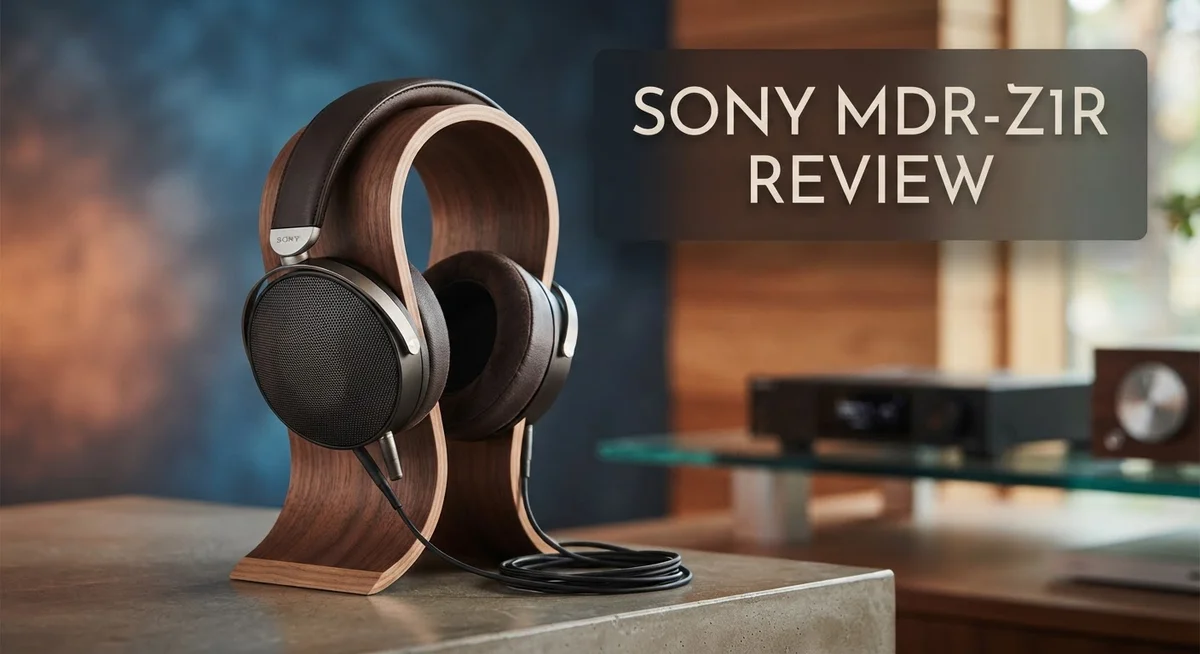
Sony built this headphone with premium materials. You get a titanium headband, leather padding, and soft sheepskin earpads. The result feels light on your head, even after hours of listening.
Sound quality stands out as the biggest highlight here. The dome type driver captures fine details in music. Vocals sound clear. Bass hits with real punch.
This review breaks down every feature of the MDR Z1R. We look at comfort, build quality, and how it stacks up against competitors like the Sennheiser HD 800S.
Let’s find out if this headphone earns its spot in your collection.
In a Nutshell
- Passive noise isolation makes this headphone great for quiet listening rooms or late night sessions.
- The titanium headband flexes gently and spreads weight evenly across your head.
- Sheepskin earpads are soft and replaceable, so comfort lasts through years of use.
- You will need a dedicated amp or DAC to unlock its full potential and drive it properly.
- Its closed back design limits soundstage width when compared to open back rivals like the Sennheiser HD 800S.
- Build quality feels premium, with careful attention to fit and finish throughout.
- Hi-Res certification confirms this headphone handles high resolution audio files with ease.
- Competitors like the ZMF Verite Closed offer similar closed back performance, but Sony brings its own tuning style.
- If you already own studio gear, the Sony MDR-7506 remains a solid, simpler alternative for basic monitoring tasks.
- Overall, this headphone suits listeners who value comfort, isolation, and detailed sound over an expansive open soundstage.
Design and Build Quality
The Sony MDR-Z1R showcases premium craftsmanship that immediately catches your attention. Every material choice reflects careful planning and quality control.
The headband combines titanium and leather in a way that feels both sturdy and elegant. Titanium brings strength without adding weight, so your head stays comfortable during long listening sessions. The leather wrapping adds a touch of luxury and protects the metal underneath from daily wear.
The earpads deserve special attention here. Sony uses genuine sheepskin for the ear cushions, which feels soft against your skin. These pads are replaceable, meaning you can refresh them after years of use instead of buying new headphones entirely. This design choice shows Sony thinks about long term ownership and customer satisfaction.
The driver itself uses a 2.76 inch dome type design with a copper clad aluminum wire voice coil. This engineering approach allows the headphone to capture fine details without distortion. The closed back construction keeps sound contained, which helps with isolation but limits the soundstage compared to open back models.
The detachable Y type cable offers practical benefits. You can swap cables if one gets damaged, or upgrade to aftermarket options. This modularity extends the headphone’s lifespan and gives you flexibility.
The overall fit feels secure without clamping too hard. Weight distribution happens evenly across your head thanks to the flexible titanium headband design. The circumaural over ear style means the earpads fully surround your ears rather than resting on top of them.
Build quality holds up well to regular use. The connections feel solid, and materials resist common damage sources like sweat and dust. Fit and finish throughout the headphone show attention to detail that separates premium products from ordinary ones.
The Hi-Res certification isn’t just a label here. It reflects actual engineering that handles high resolution audio files properly. Sony clearly built this headphone for serious listeners who demand reliability and performance together. The design philosophy prioritizes durability and comfort alongside sound quality.

- STUDIO SOUND, UNLEASHED: Ultra-wideband playback and a closed acoustic structure with high sound...
- ULTRA-WIDE PLAYBACK: The uniquely designed driver unit balances low distortion with reproduction of...
- HIGH-FIDELITY, FAITHFUL SOUND REPRODUCTION: A closed acoustic structure with effective sound...

Last update on 2026-11-08 / Affiliate links / Images from Amazon Product Advertising API
Sound Performance and Audio Quality
The Sony MDR-Z1R delivers sound that reveals every layer in your music. The 2.76 inch dome-type driver with its copper clad aluminum wire voice coil extracts detail you might miss with other headphones. Vocals sit clearly in the mix while instruments maintain their own space.
Bass response feels controlled and punchy without overwhelming the rest of the frequency range. Midrange reproduction stays balanced, letting vocals and acoustic instruments shine through. High frequencies extend smoothly without harshness or fatigue during long listening sessions.
The closed-back design creates a more intimate sound signature compared to open-back alternatives. You get a tighter, more direct presentation rather than an expansive soundstage. This works wonderfully for critical listening and studio work where accuracy matters most.
The headphone’s Hi-Res certification means it handles high resolution audio files without breaking a sweat. Whether you stream standard quality music or play 24-bit FLAC files, the driver responds with precision. You’ll notice the difference when moving between compressed and lossless formats.
Passive noise isolation performs exceptionally well thanks to the sealed design and soft sheepskin earpads. Outside noise drops away naturally, letting you focus on the music itself. This makes the MDR-Z1R ideal for late night sessions or quiet listening rooms.
One important note: these headphones need proper amplification to reach their full potential. A basic smartphone output won’t drive them effectively. Pairing them with a dedicated DAC or amplifier unlocks the complete audio experience they’re capable of delivering.
The driver’s sensitivity means you’ll hear a noticeable improvement with quality gear. The sound becomes more dynamic, more detailed, and more engaging when properly powered. This investment in a good amplifier pays off through better overall performance.
Frequency response remains smooth across the entire spectrum. The headphone doesn’t color the music with artificial boosts or cuts. Instead, it presents your source material as faithfully as possible, making it an excellent choice for audiophiles who value accuracy above all else.
Comfort and Fit
When you first put on the Sony MDR-Z1R, you notice how thoughtfully engineered the fit really is. The headband sits on your head without creating pressure points or discomfort during extended listening sessions.
Weight distribution plays a major role here. The titanium construction keeps the overall mass low, so your ears and head don’t fatigue even after hours of use. The flexible headband absorbs movement and adjusts to different head shapes naturally.
The sheepskin earpads create a seal that feels gentle against your skin. They conform to your ears without squeezing, which means you can wear these headphones for a full workday or an entire album listening session. Because the pads are replaceable, you can refresh them whenever they wear down, extending the lifespan of your investment.
The circumaural design means the cups fully enclose your ears rather than resting on top of them. This approach keeps sound contained and improves isolation, but it also means the fit needs to be just right. Fortunately, the Sony MDR-Z1R nails this balance. The clamping force feels moderate and secure without creating a vice-like grip.
Cable management adds another comfort layer. The detachable Y-type cord lets you swap cables easily if one gets damaged. You can also choose different cable lengths depending on your setup, whether you’re at a desktop or moving around your space.
The leather headband padding provides a soft touch where the headphones rest on top of your head. Combined with the titanium structure underneath, this creates a premium feel that matches the overall build quality. You won’t experience the hard plastic sensation that cheaper headphones often have.
One practical tip: if you’re new to over-ear headphones, give yourself a few days to adjust to the fit. Your ears adapt to the seal and pressure, and initial tightness often loosens up naturally. The Sony MDR-Z1R rewards patience with comfort that rivals many competitors in its class.
Top 3 Alternatives
Sennheiser HD 820

- Audiophile Standard for Closed-Back Headphones
- The closed dynamic HD 820 employ an innovative technology
- Developed and made in Germany they offer an incredibly realistic natural sound
Last update on 2026-11-08 / Affiliate links / Images from Amazon Product Advertising API
The Sennheiser HD 820 delivers exceptional sound quality for audiophiles. These headphones feature a closed-back design that isolates sound effectively. The ear cups contain glass elements that create a unique acoustic chamber. You get rich bass response and clear midrange performance. The headphones weigh about 300 grams, making them comfortable for extended listening sessions. They come with a premium cable and carrying case included.
Audeze LCD-4

- Bluetooth Headphones for Kids: Connect any device including smartphones, tablets, and computers to...
Last update on 2026-11-08 / Affiliate links / Images from Amazon Product Advertising API
The Audeze LCD-4 stands out with its planar magnetic driver technology. This design produces fast, accurate sound reproduction across all frequencies. The headphones feature a lightweight magnesium housing that reduces fatigue during long use. They deliver impressive detail and separation in complex musical passages. The open-back design allows air to move freely, creating a spacious soundstage. Many listeners appreciate the natural, uncolored sound signature these headphones provide.
Focal Stellia

- Focal Stellia headphones deliver every tiny detail of every song at both very high and very low...
- Incredible dynamics within a pair of closed-back headphones
- Each component has been developed with optimal acoustics in mind without compromising on style...
Last update on 2026-11-08 / Affiliate links / Images from Amazon Product Advertising API
The Focal Stellia combines French engineering with premium materials throughout. These closed-back headphones use a custom driver design that emphasizes clarity. The aluminum and magnesium construction keeps weight minimal while maintaining durability. You’ll notice the precise instrument separation and dynamic range these headphones offer. The ear pads use premium materials for comfort during extended listening. The cable connection uses a proprietary connector system for a secure fit.
Each option presents different strengths for serious listeners. The Sennheiser focuses on balanced sound with excellent isolation. The Audeze emphasizes detail and accuracy through planar technology. The Focal delivers precision and dynamic performance in a refined package. Your choice depends on which sound characteristics matter most to your listening experience.
Noise Isolation and Soundstage
The Sony MDR-Z1R excels at keeping unwanted sounds out of your listening experience. The sealed design works together with soft sheepskin earpads to create a barrier between your ears and the outside world. You’ll notice a significant reduction in ambient noise, making these headphones ideal for focused listening sessions.
Passive noise isolation happens naturally with this closed-back structure. The circumaural cups fully enclose your ears rather than sitting on top of them. This design choice means external sounds struggle to reach your eardrums. Office chatter, traffic noise, and other distractions fade into the background when you’re wearing these headphones.
The sheepskin material plays a key role here. It forms a gentle seal around your ears without feeling uncomfortable. This soft material adapts to your ear shape over time, improving isolation naturally as you wear them more often.
Now let’s talk about soundstage. The closed-back design creates an intimate listening environment that differs from open-back alternatives. Sound feels more contained and focused rather than spacious and expansive. This characteristic works perfectly for genres like jazz, classical, and acoustic music where detail matters most.
The 2.76 inch dome-type driver produces a sound signature that feels personal and direct. You experience music as if it’s playing inside your head rather than around you. Some listeners prefer this intimate presentation for emotional connection with their favorite tracks.
This closed design does sacrifice some of the airiness you’d find in open-back models. If you crave a wide, hall-like soundstage, you’ll notice the difference immediately. However, the trade-off brings superior isolation and bass control that open designs simply cannot match.
The Sony MDR-Z1R strikes a deliberate balance between isolation and soundstage characteristics. The closed-back construction prioritizes noise blocking and intimate sound delivery over spacious imaging. This approach appeals to serious listeners who value detail retrieval and focused listening sessions in various environments.
Amplification Requirements and Connectivity
The Sony MDR-Z1R demands proper amplification to unlock its full sonic capabilities. These headphones are not designed for casual smartphone listening. You’ll need a dedicated headphone amplifier or a high-quality audio interface to hear what they can truly deliver.
The impedance sits at 64 ohms, which is moderate but still requires more power than typical consumer headphones. A weak portable player won’t cut it here. Your source device should have a robust amplifier stage built in, or you should invest in external amplification equipment.
Quality amplification matters more than you might think. When you pair the MDR-Z1R with a proper amp, the sound becomes noticeably cleaner and more dynamic. The bass tightens up. The midrange opens up. The treble gains clarity without harshness. This is where the Hi-Res certification truly shines through.
For connectivity, the headphones use a detachable Y-type cord system. This gives you flexibility in choosing cables that match your setup. You can swap in different connectors depending on your audio interface or amplifier. The stock cable provides solid performance, but many users explore aftermarket options.
The detachable design is practical for real-world use. If your cable gets damaged, you replace just the cord instead of the entire headphone. This modularity extends the lifespan of your investment. You’re not locked into a single cable configuration.
Connection options depend on your amplifier choice. If you’re using a desktop setup, you’ll likely work with RCA or XLR inputs. Portable amplifiers typically offer 3.5mm or 2.5mm balanced connections. Make sure your amp has the right output to match your source device.
The headphones themselves don’t have any wireless capability. They’re purely wired, which actually works in your favor here. Wired connections preserve audio quality without compression or latency issues. This design choice aligns perfectly with the MDR-Z1R’s focus on sound fidelity.
Plan your amplification chain carefully. Start with a quality source, add a capable amplifier, and connect these headphones. This approach transforms the listening experience from good to exceptional.
Pros and Cons
Pros
- Exceptional sound quality with accurate detail retrieval across the frequency spectrum
- Excellent passive noise isolation thanks to the closed-back design and sheepskin earpads
- Lightweight construction with supremely comfortable fit for extended listening sessions
- Premium build quality featuring titanium headband and replaceable sheepskin earpads
- Flexible titanium headband adapts naturally to different head shapes and sizes
Cons
- Requires additional amplification to reach full sonic potential due to 64 ohm impedance
- Limited soundstage compared to open-back alternatives, offering a more personal and direct sound signature
- Closed-back design sacrifices some of the airiness you’d experience with open-back models
Who Should Buy It
The Sony MDR-Z1R serves a specific listener profile. These headphones work best for audiophiles who take their listening seriously.
Professional audio engineers and music producers benefit most from these headphones. The accurate detail retrieval helps you catch mixing issues that other headphones miss. You’ll hear problems in your recordings that cheaper models hide.
Home studio enthusiasts should consider the MDR-Z1R if you already own a quality amplifier. These headphones demand proper amplification to shine. If you’re still using basic consumer equipment, you’ll need to budget for a dedicated amp alongside these headphones.
Music lovers with sensitive hearing gain real value here. The closed-back design keeps outside noise away. You won’t need to crank the volume to enjoy your music. This matters if you listen for hours at a time.
The MDR-Z1R works well for people who prefer isolation over openness. Some listeners love the intimate, personal soundstage these headphones create. If you want air and space in your music, open-back headphones suit you better. But if you want everything focused and direct, this design hits the mark.
Commuters and travelers should skip these. The closed-back design and premium build make them less portable. You’ll want something lighter for travel. These headphones belong in a dedicated listening space.
People who value comfort during long sessions will appreciate the lightweight construction. The flexible titanium headband adapts to your head shape. The sheepskin earpads feel soft against your ears. You can wear these for 8+ hours without fatigue.
Casual listeners should look elsewhere. These headphones demand your attention and proper equipment. You need an amplifier to unlock what they offer. They’re not plug and play devices for smartphone listening.
The MDR-Z1R shines for anyone willing to invest in a complete setup. You need quality amplification and a quiet listening space. If you already have these things, the MDR-Z1R becomes a smart choice. The sound quality justifies the commitment for serious listeners.
Final Verdict
The Sony MDR-Z1R stands as a strong choice for anyone who values pure sound accuracy. This headphone rewards patience and proper setup with a listening experience few rivals can match.
Build quality plays a huge role in this final assessment. The titanium frame and sheepskin pads suggest these headphones will last for years of daily use.
If you already own quality amplification, the MDR-Z1R becomes an easy recommendation. The sound signature rewards careful listening and detailed production work.
Compare this to the Sennheiser HD 800S. That open-back option offers a wider soundstage but sacrifices the isolation Sony delivers here.
The ZMF Verite Closed competes directly in the closed-back space. Still, the MDR-Z1R holds its own with Sony’s signature tuning and comfort.
For simpler needs, the Sony MDR-7506 remains a solid professional alternative. It lacks the refinement of the Z1R but serves basic monitoring tasks well.
Think about your listening habits before deciding. This headphone suits dedicated listening sessions, not casual background music.
Studio professionals and audiophiles who crave detail will find real satisfaction here. The combination of comfort and sonic accuracy creates a rare balance.
People who need portability or open soundstage should look at other options. The Z1R shines brightest in controlled, quiet environments.
Final thought: the Sony MDR-Z1R delivers on its promise of premium sound and comfort. It demands the right setup, but rewards that investment with performance that few competitors match.
If your listening needs match its strengths, this headphone earns its place as a top tier option. Choose it for serious listening, not everyday convenience.
Frequently Asked Questions
Do I need an amplifier to use the Sony MDR-Z1R?
Yes, these headphones perform best with a dedicated amplifier. The 64 ohm impedance means they need proper power to unlock their full sonic potential. A standard smartphone or laptop headphone jack won’t give you the sound quality you paid for. Invest in quality amplification first if you want to hear what these headphones can really do.
How do the sheepskin earpads hold up over time?
The earpads are replaceable, which is excellent news. You can swap them out when they wear down instead of being stuck with degraded sound. Sheepskin is soft and comfortable, but it does deteriorate with use and sweat exposure. Plan to replace them every few years depending on how often you listen.
Are these headphones good for travel?
No, skip these for travel. The closed-back design and premium build make them less portable than you’d want. They’re also bulky to pack. If you need something for flights or commutes, look elsewhere. These headphones stay home in your listening space.
How do they compare to open-back headphones?
The closed-back design gives you isolation and a more intimate sound. You lose the spacious soundstage that open-back models offer. Think of it this way: closed-back feels like a personal performance just for you, while open-back feels like sitting in a concert hall. Choose based on whether you want that intimate experience or wider space.
Can I replace the cable?
Yes, the detachable Y-type cord comes off easily. You can swap in aftermarket cables if needed. This flexibility helps you customize your setup and replace a damaged cable without replacing the entire headphone.

DK is a tech enthusiast and product reviewer dedicated to helping readers explore the ever-evolving world of technology. With a passion for testing gadgets, apps, and appliances, DK delivers honest, in-depth reviews and practical buying guides to make your tech decisions easier.