Sony IER-Z1R Review: Flagship In-Ear Monitors with Hybrid Drivers
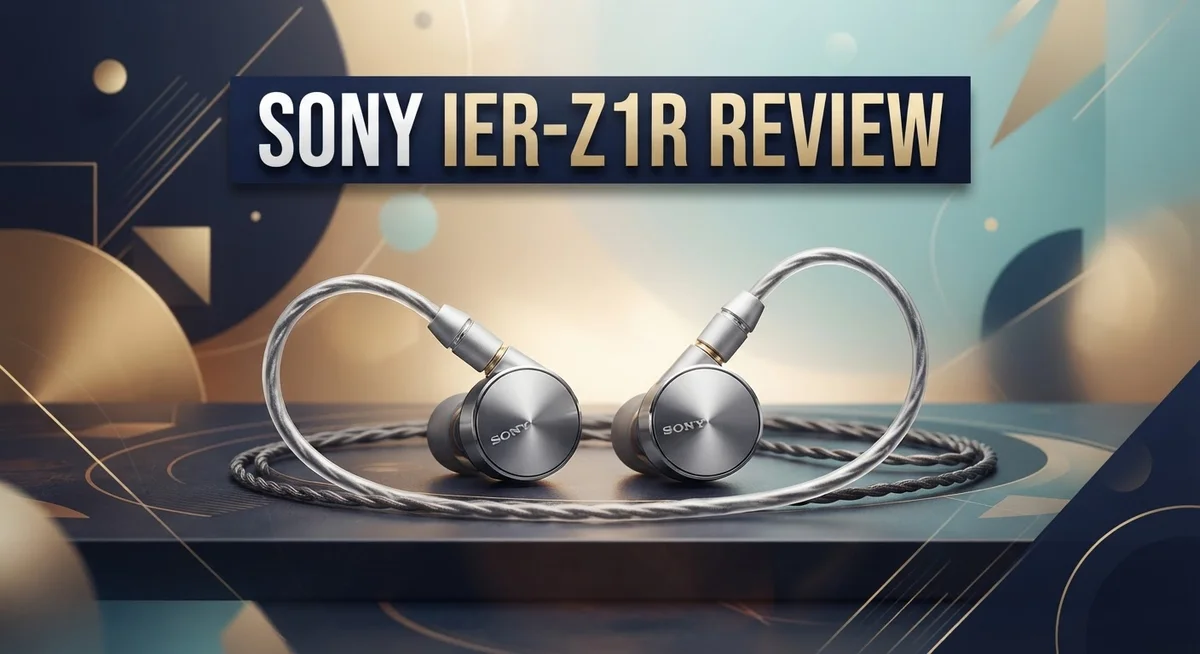
The Sony IER-Z1R stands as a flagship in-ear monitor built for serious listeners. It uses a hybrid driver setup and zirconium construction. This gives it a unique sound and a solid feel.
Released in 2018, this earphone still holds its ground today. It has no successor yet. That says a lot about its lasting design.
Sound quality is where this earphone shines. You get deep bass, airy treble, and sharp detail retrieval. The imaging feels precise and natural.
But it is not perfect. The midrange has a dip that some listeners notice right away. The large design may also test your comfort during long sessions.
This review breaks down everything you need to know. We cover the sound, build, comfort, and how it stacks up against rivals like the Sony IER-M9. Let’s dive into what makes this earphone special.
In a Nutshell
Here is the quick rundown of what makes the Sony IER-Z1R special and where it falls short.
-
Sound signature: This earphone delivers a natural and balanced tone. Bass hits deep. Treble stays airy and clear.
-
Midrange quirk: Some listeners notice a dip around 2-3 kHz. This can make vocals sound slightly recessed to picky ears.
-
Build and comfort: The zirconium shells feel premium and solid. But the large size may not suit smaller ears during long listening sessions.
-
Accessories: Sony includes a generous accessory kit. You get quality cables and tips right out of the box.
-
Competition check: The Sony IER-M9 offers a more natural decay. The Elysian Annihilator uses EST drivers for a smoother finish.
-
Longevity: No successor has arrived since 2018. This earphone still competes well against newer flagship models today.
-
Who it suits: Ideal for listeners who want detailed imaging and don’t mind a bulkier fit for critical listening sessions.
Driver Configuration and Sound Signature
The Sony IER-Z1R uses a hybrid driver setup that combines multiple driver types in each earpiece. This configuration allows Sony to handle different frequency ranges with specialized components.
The bass region stands out immediately. Low frequencies hit with authority and control. The drivers deliver punch without overwhelming the rest of the sound. You get clean separation between bass notes and midrange elements.
The midrange presents a unique character. Sony tuned this region with a noticeable dip around 2 to 3 kHz. This dip affects vocals and certain instruments. Some listeners find this refreshing. Others feel it creates distance from the music. Your preference here depends on what you enjoy hearing.
Treble and air frequencies shine brightly. The upper register feels open and spacious. Details emerge clearly across cymbal crashes, hi-hats, and string overtones. The earphones never sound harsh or fatiguing in this region, even during long listening sessions.
Detail retrieval is exceptional. The hybrid drivers work together to extract micro-details from recordings. You notice subtle background elements you might miss with other earphones. Imaging feels precise and three-dimensional. Instruments sit in defined spaces across the soundstage.
The frequency response extends from 3 Hz up to 100 kHz. This wide range captures sounds beyond human hearing limits. In practice, this means the earphones preserve subtle high-frequency information that affects overall clarity and air.
Sensitivity sits at 103 dB per milliwatt. This means the IER-Z1R plays loud easily from most sources. You won’t need a powerful amplifier to drive them properly. Mobile devices and portable players handle them well.
The sound signature leans toward accuracy rather than fun coloration. These earphones aim to reveal what’s actually in the recording. If your music sounds thin or thin in the original mix, the IER-Z1R won’t hide it. This honest approach appeals to critical listeners and audio engineers who need reliability in their monitoring chain.

- Optimized for High-Resolution Audio reproduction
- HD hybrid driver system (2 dynamic/1 Balanced Armature)
- Refined-phase structure for extensive sound
Last update on 2026-11-08 / Affiliate links / Images from Amazon Product Advertising API
Design, Build Quality, and Comfort
The Sony IER-Z1R features a striking zirconium construction that immediately signals premium engineering. These shells feel weighty in your hands, which some listeners interpret as a sign of durability and quality. The material resists scratches and maintains its finish over time, making it a solid choice for long-term ownership.
The earpieces themselves are noticeably larger than many competitors. This design choice stems from the hybrid driver configuration packed inside. You get multiple driver types working together, which requires extra internal space. The trade-off is clear: more drivers mean bigger shells.
Comfort becomes the key question here. The large form factor works well for people with average to larger ear canals. If you have smaller ears, the fit may feel intrusive during extended listening sessions. Sony includes multiple ear tip sizes and styles to help you find the right match.
The detachable Y-type cord adds practical value to the overall package. You can swap cables without affecting the earpieces themselves. This modularity extends the lifespan of your investment. The connector feels secure and shows no signs of looseness after regular use.
Weight distribution matters when you wear these for hours. The zirconium shells pull down slightly, which some find fatiguing. Others appreciate the substantial feel and view it as part of the premium experience. Isolation is decent, though the large design means they sit deeper in your ears than smaller models.
Build quality across all components stands out as genuinely robust. The connectors, cable, and included accessories all feel well-made. There are no creaky joints or loose parts. Sony’s attention to detail extends beyond just the drivers.
The design philosophy prioritizes durability and sound quality over portability and comfort. This earphone works best when you sit down for focused listening rather than casual daily wear. The accessories kit further supports this approach, offering storage and maintenance tools that suggest Sony expects long-term use.
Overall, the physical design reflects a flagship mentality. You get premium materials, solid construction, and thoughtful engineering throughout.
Audio Performance and Frequency Response
The Sony IER-Z1R delivers a frequency response that spans from 3 Hz to 100 kHz. This wide range lets you hear sounds that most earphones miss. The hybrid driver configuration works hard to cover every frequency band with precision.
Bass performance is one of the strongest points here. Low frequencies hit with authority and control. You get punch without muddiness. The bass stays clean even in complex tracks with multiple instruments playing together.
The midrange tells an interesting story. This earphone presents vocals and instruments with clarity, but you’ll notice a subtle dip around 2–3 kHz. Some listeners love this characteristic because it reduces harshness. Others find it creates an unnatural quality in certain vocal performances. It’s a polarizing trait that depends on your music taste and ear sensitivity.
Treble and air frequencies are where the Z1R truly excels. Cymbals, hi-hats, and string instruments sound crisp and detailed. The upper register never feels fatiguing, even during long listening sessions. Soundstage imaging is exceptional. You can pinpoint where each instrument sits in the stereo field.
Detail retrieval stands out as a major strength. The earphone extracts micro-details from recordings that other models gloss over. You hear subtle background vocals, string texture, and percussion nuances with ease. This makes the Z1R ideal for critical listening and professional work.
The 103 dB sensitivity rating means these earphones respond well to lower volume levels. You don’t need a powerful amplifier to drive them effectively. They work equally well with phones, portable players, and dedicated audio gear.
What makes the frequency response special is how balanced everything sounds. The earphone doesn’t exaggerate any single region. Instead, it presents music in a natural, honest way. This approach suits listeners who value accuracy over colored sound signatures.
The extended high frequency response up to 100 kHz offers future-proofing. While human ears typically hear up to 20 kHz, the extra range ensures no information gets cut off. This contributes to the overall sense of openness and air in the presentation.
Top 3 Alternatives
Sennheiser IE 900

- Innovative X3R technology, unique to the IE 900, combines the German-made 7mm transducerwith...
- Larger-than-life sound from 7mm TrueResponse Transducer, crafted in Germany specifically forin-ear...
- Unique triple-chamber absorber system and acoustic vortex removes masking resonances for a refined...
Last update on 2026-11-08 / Affiliate links / Images from Amazon Product Advertising API
The Sennheiser IE 900 delivers exceptional sound clarity with a balanced frequency response. These earbuds feature a dual-driver setup that handles both mids and highs with precision. The soundstage feels open and spacious, making them ideal for classical music and podcasts.
Build quality stands out with premium materials throughout. The cable uses a robust connector system that resists wear. Comfort improves with multiple ear tip sizes, ensuring a secure fit for extended listening sessions.
Shure SE846

- HEAR EVERY DETAIL WITH PRECISION: From professional monitoring and gaming to streaming and everyday...
- QUAD HIGH-DEFINITION DRIVER PERFORMANCE: Four precision drivers deliver detailed highs, clear mids...
- CUSTOMIZABLE SOUND SIGNATURE FILTERS: Interchangeable sound signature filters allow selection...

Last update on 2026-11-08 / Affiliate links / Images from Amazon Product Advertising API
Shure SE846 earbuds pack a quad-driver configuration into a compact design. This setup produces rich bass without overwhelming other frequencies. The sound signature appeals to listeners who want depth and detail in every track.
Isolation capabilities rank among the best in this category. You get a removable cable, which extends product lifespan significantly. The earbuds sit comfortably during long wearing periods, and the included carrying case offers solid protection during travel.
Campfire Audio Solaris

- Revolutionary Silicon Dynamic Driver (SDD) – First-of-its-kind full-range SDD delivers rich...
- Built-in High-Resolution DAC – Integrated 32-bit/384 kHz DAC ensures superior audio quality...
- Crystal-Clear Communication – In-line microphone with 3-button remote allows for easy call...
Last update on 2026-11-08 / Affiliate links / Images from Amazon Product Advertising API
Campfire Audio Solaris uses a unique driver arrangement that creates a warm, engaging sound profile. The midrange presentation feels natural and emotionally engaging. Bass response stays controlled while maintaining impact, perfect for jazz and acoustic recordings.
The design emphasizes comfort and stability during active use. Premium materials give these earbuds a luxury feel that justifies their positioning in the market. The included accessories provide good value, with multiple ear tip options and a quality case for storage and transport.
Accessories and Cable Quality
The Sony IER-Z1R comes bundled with a thoughtful selection of accessories that enhance the ownership experience. You get multiple ear tip sizes in silicone and foam materials. This variety helps you find the perfect fit for your ears. The inclusion of foam tips is particularly useful since they mold to your ear canal over time.
The detachable Y-type cable deserves special attention here. This connector system gives you flexibility to swap cables without replacing the entire earphone. You can upgrade to aftermarket cables if you want to experiment with different sound signatures. The stock cable itself features quality construction that matches the premium build of the earphones.
The cable’s design includes a balanced connector option, which is valuable for users with compatible DAPs or amplifiers. The connectors feel solid and secure, reducing concerns about accidental disconnection during use. The cable length provides enough reach for most listening scenarios without excess slack.
Sony includes a carrying case that protects your investment during transport. The case design accommodates the larger earpieces without forcing them into tight spaces. This matters because the zirconium construction, while durable, still benefits from proper storage.
Cable quality directly impacts your listening experience. The stock cable handles signal transmission cleanly without introducing noise. The shielding appears effective at rejecting interference from nearby devices. Many users report that the cable remains flexible even after extended use, which prevents cracking or stiffness over time.
The accessory package reflects flagship thinking. Rather than cutting corners, Sony provides genuine utility items. You won’t feel like you’re missing essential pieces out of the box. The foam tips alone justify the comprehensive approach, as they significantly improve fit stability for many listeners.
If you plan to use these earphones regularly, the accessories support that commitment. The multiple ear tip options mean you can adapt to different listening sessions. The cable quality ensures your audio chain remains clean and reliable. Overall, the accessories and cable construction demonstrate that Sony invested in the complete user experience, not just the drivers themselves.
Isolation and Soundstage Characteristics
Isolation and passive noise blocking with the Sony IER-Z1R depend heavily on fit and seal quality. The large zirconium housings create a physical barrier, but their size means you need the right ear tip size to achieve optimal isolation. Sony includes multiple ear tip options in the box, which helps you find your perfect fit.
The earphones deliver solid isolation in quiet environments and moderate noise situations. Commuter noise, traffic sounds, and office chatter reduce noticeably once you establish a proper seal. However, these are not noise cancelling earphones, so they rely entirely on passive isolation rather than active technology.
Soundstage characteristics reveal one of the Z1R’s standout qualities. The soundstage feels spacious and well defined, with instruments positioned clearly across the stereo field. This sense of space comes from the hybrid driver configuration and the extended treble response, which creates air and breathing room between musical elements.
Imaging precision is exceptional here. Vocals sit forward with natural presence, while drums and cymbals occupy their own distinct positions in the sound field. The Z1R creates a three dimensional listening experience that makes orchestral recordings and live performances feel immersive.
Depth perception adds another dimension to the soundstage. Bass lines extend backward, creating layering that separates foreground and background elements. This layering effect makes complex arrangements feel organized rather than cluttered.
The soundstage does scale with source quality. Better DAPs and amplifiers reveal more nuance in spatial presentation. The 103 dB sensitivity means these earphones respond to subtle recordings without requiring excessive volume.
One important note: the soundstage character leans analytical rather than warm. Some listeners find this presentation clinical, while others appreciate the transparency it provides. The midrange dip mentioned in the frequency response does influence how vocals sit within the overall soundstage, sometimes creating a sense of distance rather than intimacy.
Overall, isolation performance meets flagship standards through passive design, while the soundstage delivers the kind of spatial clarity that rewards careful listening and quality recordings.
Pros and Cons
Pros
- Hybrid driver setup delivers balanced, detailed, and natural sound across the frequency spectrum
- Bass response ranks among the strongest in its class with excellent control and impact
- Treble and air frequencies shine with exceptional clarity and extension up to 100 kHz
- Outstanding detail retrieval and imaging precision create an analytical soundstage
- Robust zirconium construction and comprehensive accessory bundle including balanced cable support long term ownership
Cons
- Midrange features an audible dip around 2–3 kHz that polarizes listeners and affects vocal presentation
- Large, heavy form factor causes fit and comfort concerns during extended listening sessions
- No updates or successor model since 2018 means the design lacks modern refinements
- Premium positioning places these earphones in the flagship tier, limiting accessibility for casual listeners
Who Should Buy It
The Sony IER-Z1R appeals to a specific listener profile. You should consider these earphones if you prioritize sound quality above all else and have the patience to find the right fit.
Audiophiles seeking analytical listening make up the primary audience here. These earphones excel when you want to hear every detail in your music. The hybrid driver setup reveals layers that casual listeners might miss. If you spend time analyzing recordings, these earphones reward that attention.
Professional musicians and sound engineers benefit from the exceptional imaging and detail retrieval. You can trust these earphones to reveal mixing flaws or production choices clearly. The frequency response extending to 100 kHz means you capture information that standard earphones ignore. This makes them valuable for studio reference work or critical listening sessions.
Portable audio enthusiasts with compatible equipment should take notice. The balanced cable option works best with DAPs or amplifiers that support it. If you already own quality source equipment, these earphones scale beautifully with your investment. The detachable Y-type connector lets you swap cables based on your setup needs.
Long-term users who value build quality find real value here. The zirconium construction feels premium and lasts through years of daily use. The comprehensive accessory bundle supports your commitment to these earphones. You get carrying protection and cable options from day one.
However, skip these if comfort matters most. The large, heavy design doesn’t suit everyone’s ears. Extended listening sessions might cause fatigue for sensitive users. You need patience to find the right fit and seal quality.
The midrange dip around 2–3 kHz also matters for your decision. Vocals sound recessed compared to other flagship options. If you love forward, warm vocal presentations, these earphones might disappoint you.
Buyers who want the newest technology should look elsewhere. No successor has arrived since 2018. The design remains unchanged and competes against newer options with different tuning approaches. You’re choosing proven sound character over cutting-edge features.
These earphones suit committed listeners who accept their quirks and prioritize detail-focused sound reproduction.
Final Verdict
The Sony IER-Z1R earns its place among true flagship earphones. It delivers a sound experience that few competitors can match at this level.
This model rewards patience. You need the right source gear and an open mind about its unique tuning to enjoy it fully.
The build quality feels like an investment piece. Sony crafted these earphones to last for years, not just a single listening season.
However, this is not a universal recommendation. The midrange dip and heavy design mean some listeners will struggle to connect with these earphones.
Comfort matters as much as sound quality. If you cannot commit to longer break in periods for fit, look at lighter alternatives first.
Compared to the Sony IER-M9, the Z1R trades some natural decay for stronger bass and treble extension. Compared to the Elysian Annihilator, it offers a different flavor entirely, one that favors analytical precision over smooth warmth.
Your choice depends on what you value most in an earphone. Do you want detail and separation, or do you want ease and comfort? The Z1R clearly picks a side.
We recommend the Z1R for listeners who already know their preferences. If you have tried other flagships and want something more analytical, this earphone delivers that experience well.
New audiophiles or those wanting an all rounder should explore other options first. The Z1R asks for commitment in exchange for its rewards.
Sony built something specific here, not something universal. That specificity is exactly what makes the IER-Z1R stand out in a crowded flagship market.
For the right listener, these earphones become a long term companion. For everyone else, they remain an interesting but demanding choice worth understanding before buying.
Frequently Asked Questions
Do the Sony IER-Z1R earphones work with all music genres?
The Z1R shines with classical, jazz, and orchestral music. Its analytical tuning reveals fine details in acoustic instruments. However, the midrange dip around 2–3 kHz affects vocal-heavy genres like pop and rock. Singers may sound slightly recessed or distant. Electronic music and hip-hop benefit from the strong bass response. Test them with your favorite tracks before committing.
How do these compare to the Sony IER-M9?
Both are flagship Sony models with different strengths. The M9 offers more natural vocal decay and smoother midrange presentation. The Z1R delivers stronger bass punch and extended treble air. The M9 feels slightly more forgiving overall. Choose the Z1R if you prioritize bass and treble clarity. Pick the M9 if vocals matter most to your listening style.
Are the Sony IER-Z1R comfortable for all-day wear?
The zirconium construction makes these earphones heavy and large. Many users find them uncomfortable during extended sessions. Your ear shape and size play a big role here. Some listeners adapt after a break-in period. Others never get past the weight and bulk. If comfort is your priority, lighter models exist.
What cable should I use with the Z1R?
The earphones come with a balanced 4.4mm cable included. This cable pairs well with Sony’s flagship DAPs and balanced outputs. You can upgrade to aftermarket balanced cables if desired. The detachable Y-type connector makes swaps easy. Standard 3.5mm adapters work too, though balanced gives better performance.
Do these need a powerful source to sound good?
Yes. The Z1R demands quality amplification to perform at its best. Weak smartphone outputs sound thin and compressed. A dedicated DAP or audio interface brings out the detail and bass response. Budget for good source gear alongside these earphones.

DK is a tech enthusiast and product reviewer dedicated to helping readers explore the ever-evolving world of technology. With a passion for testing gadgets, apps, and appliances, DK delivers honest, in-depth reviews and practical buying guides to make your tech decisions easier.