Sony MDR-ZX110 Headphones Review: Sound Quality, Design, and Performance
Looking for simple headphones that feel light and sound decent? The Sony MDR-ZX110 might catch your eye.
This on-ear headphone comes with a foldable design. You can toss it in a bag and take it anywhere.
It uses 30mm drivers to deliver balanced sound. The cushioned earcups make long listening sessions comfortable.
But does it hold up against tougher use? Build quality and sound depth are areas we will test closely.
In this review, we break down every feature. We check comfort, sound, and durability in real world use.
By the end, you will know if this headphone fits your daily routine. Let’s see how it performs where it matters most.
In a Nutshell
The Sony MDR-ZX110 is a simple on-ear headphone. It works well for casual listening. Here is a quick summary of what you need to know.
-
Sound quality stays balanced for basic music and podcasts. But it lacks depth for bass heavy tracks or detailed audio work.
-
Comfort is a strong point. The cushioned earcups feel light on your ears. You can wear them for long sessions without strain.
-
Build quality feels cheap. The plastic frame does not feel sturdy. Handle these with care to avoid damage.
-
Portability wins here. The foldable design fits easily into a bag. This makes it great for travel or quick trips.
-
Missing features include inline controls. You cannot adjust volume or skip tracks from the cord. This limits convenience for calls or media control.
-
Best use case is casual, everyday listening. This is not the right pick for critical listening or professional audio needs.
Overall, this headphone suits simple needs. It is not built for demanding audiophiles or heavy daily wear.
Design and Build Quality
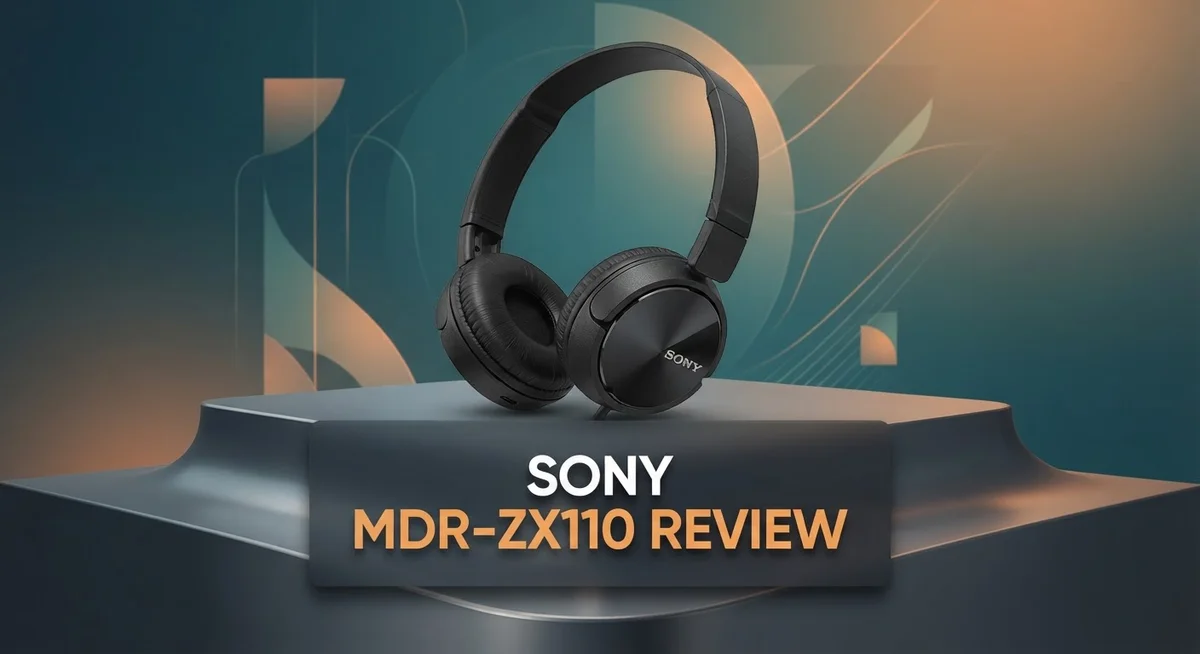
The Sony MDR-ZX110 uses a foldable on-ear design that makes it easy to carry around. The headphones fold flat, which means you can slip them into a bag or backpack without taking up much space. This portability factor matters if you move between locations often.
The materials used feel light and plastic-based. The earcups have cushioned pads that sit on your ears rather than fully covering them. This on-ear fit means less isolation from outside noise compared to over-ear models. The cushions themselves feel soft to the touch, which helps during shorter listening sessions.
The headband connects both earcups and adjusts to fit different head sizes. The adjustment mechanism works smoothly without any resistance. You won’t struggle to find a comfortable fit. The overall weight sits around 4 ounces, making these headphones among the lightest options available.
The cord measures 3.94 feet and features an L-shaped stereo mini plug at the end. This cable length gives you enough reach without excess slack. The Y-shaped design keeps both channels balanced as the cable runs down from the headphones.
Build quality shows some weakness in this model. The plastic construction feels thin and fragile under pressure. The joints where the headband meets the earcups appear vulnerable to repeated folding and unfolding. Extended use or rough handling could cause cracks or breaks at these stress points.
The closed-back design helps contain sound within the earcups. This approach prevents sound from leaking outward, which benefits people sitting near you. However, this design also means less air circulation, which can make ears feel warm during long sessions.
The 30mm dome-type drivers sit inside each earcup. These drivers connect to the audio signal through the cable. The driver size influences how sound waves move through the headphones. Larger drivers often produce different frequency responses compared to smaller ones.
Overall, the design prioritizes portability and basic comfort over durability. The foldable construction and lightweight frame appeal to casual users. However, the cheap materials suggest these headphones work best for occasional use rather than daily heavy-duty applications. The on-ear fit means they suit shorter listening periods more than marathon sessions.

- Lightweight 1.38 in neodymium dynamic drivers deliver a punchy, rhythmic response to even the most...
- The swiveling earcup design allows easy storage when you’re not using them, and enhances...
- Cushioned earpads for total comfort and enfolding closed-back design seals in sound

Last update on 2026-11-08 / Affiliate links / Images from Amazon Product Advertising API
Sound Quality and Audio Performance
The Sony MDR-ZX110 delivers balanced audio that works well for casual listening. The 30mm dome-type drivers produce midrange frequencies that stay clear and present. You will hear vocals and instruments without harsh peaks or muddy lows.
Bass response sits in the middle ground. It does not punch hard, but it does not disappear either. Music tracks sound even across the spectrum, which makes these headphones suitable for podcasts and speech-heavy content.
High frequencies remain smooth and controlled. You won’t experience sharp treble that causes ear fatigue during long sessions. This smoothness comes from the closed-back design, which prevents sound from escaping the earcups.
The frequency response range spans 12 to 22,000 Hz. This covers most music genres and everyday audio needs. However, sound depth remains shallow compared to higher-end models. You get a flat, two-dimensional soundstage rather than a spacious, immersive experience.
Volume levels reach adequate levels for personal listening. The 24-ohm impedance allows most devices to drive these headphones without extra amplification. You can connect them directly to phones, tablets, or laptops.
Isolation performance stays limited. The on-ear design does not seal around your ears like over-ear headphones do. Outside noise bleeds in, especially in busy environments. This makes them less ideal for commuting on loud trains or buses.
The audio signature favors clarity over power. Bass enthusiasts will find the low-end output underwhelming. Those who enjoy subtle, detailed sound will appreciate the balanced approach.
Consistency matters here. The left and right channels produce similar output levels without noticeable imbalance. Stereo separation exists but remains modest due to the compact earcup size.
Overall, the MDR-ZX110 handles basic audio tasks competently. You get functional sound quality that doesn’t disappoint for everyday use. Just don’t expect studio-grade performance or rich sonic detail. These headphones prioritize simplicity and straightforward listening over advanced audio features.
Comfort and Portability
The Sony MDR-ZX110 shines when it comes to how it feels on your head during long listening sessions. The earcups feature soft cushioning that rests gently on your ears without pressing too hard. Most users report wearing these for several hours without discomfort.
The headband adjusts smoothly to fit different head sizes. The padding on top distributes weight evenly across your head. This design choice keeps pressure points minimal, which matters if you wear headphones daily.
At approximately 4 ounces, these headphones feel almost weightless. You will barely notice them during casual use. This lightweight nature makes them ideal for people who move around frequently throughout the day.
The foldable design is a real game changer for portability. The earcups fold inward, making the headphones compact enough to slip into a backpack or small bag. You can toss them into a gym bag or carry them in your jacket pocket without worry.
The 3.94 foot cord stays relatively short and manageable. This length works well for personal listening but may feel restrictive if you need extra reach. The L shaped stereo mini plug sits at one end and connects securely.
Portability stands out as a major strength here. These headphones travel well because they take up minimal space. The plastic materials keep the overall weight down, though this also affects durability over time.
Comfort during extended wear depends on your ear shape and head size. Some people find the on ear design sits perfectly, while others prefer over ear models that distribute weight differently. The closed back design does not add bulk, keeping the profile sleek and travel friendly.
The materials feel lightweight but somewhat fragile. This is a trade off you make for portability. The headphones prioritize going places over lasting forever.
For casual commutes, gym sessions, or travel days, the comfort and portability combination works well. You get a headphone that moves with you without weighing you down or taking up much space in your bag.
Top 3 Alternatives
Audio-Technica ATH-S100
No products found.
The Audio-Technica ATH-S100 offers a solid choice for everyday listening. These headphones deliver clear sound quality with a focus on comfort during extended wear sessions. The lightweight design makes them ideal for students and commuters who need reliable audio without fatigue.
The headphones feature a simple, foldable build that fits easily into bags. Sound reproduction stays balanced across frequencies, making them work well for music, podcasts, and videos. The cable connection ensures you won’t deal with battery concerns during use.
JBL T450BT

- Frequency Response - 80 – 18,000 Hz and Impedance - 16 ohms
- Wireless communication technology: Bluetooth
- Item Weight: 1129.0 ounces
Last update on 2026-11-09 / Affiliate links / Images from Amazon Product Advertising API
JBL’s T450BT model brings wireless convenience to your listening experience. These headphones use Bluetooth connectivity, giving you freedom to move around without tangled cables. The battery life supports multiple hours of continuous playback on a single charge.
The sound profile emphasizes bass response, which appeals to fans of hip-hop and electronic music. Comfort matters here too, with padded ear cups designed for longer sessions. The intuitive controls let you manage playback and calls directly from the headphones themselves.
Skullcandy Stim On-Ear

- UP TO 50 HOURS BATTERY + RAPID CHARGE. Maximum listening day after day. With Rapid Charge, just...
- SWEAT AND WATER RESISTANT. Icon 180 is designed with a protective nano-coating that keeps moisture...
- MULTIPOINT PAIRING. Connect to two devices at once with seamless transitions
Last update on 2026-11-08 / Affiliate links / Images from Amazon Product Advertising API
Skullcandy’s Stim model delivers compact, portable audio performance. These on-ear headphones pack lightweight construction perfect for active users and travel situations. The design prioritizes portability without sacrificing sound quality.
The audio signature leans toward energetic and punchy, making them fun for casual listening. Build quality focuses on durability, handling daily wear and occasional drops. The simple cable connection eliminates battery management from your routine, making these headphones low-maintenance and straightforward to use anywhere.
Connectivity and Controls
The Sony MDR-ZX110 features a straightforward connection system that keeps things simple. You get a 3.94 foot Y-shaped cord with an L-shaped stereo mini plug. This design works with most standard audio devices without needing adapters.
The cable length gives you reasonable freedom of movement. You can sit at a desk, walk around your room, or move during casual activities. The L-shaped connector sits flush against your device, which prevents the cable from sticking out awkwardly.
One significant limitation stands out here: no inline controls exist on these headphones. You cannot adjust volume or skip tracks directly from the cable. You must reach for your phone or audio device every time you want to change something. This missing feature matters if you value quick access to controls during workouts or commutes.
The cord itself feels fairly durable for everyday use. It resists tangling better than many budget models. The Y-shaped design splits into two separate paths before reaching each earcup, which distributes stress more evenly than traditional designs.
Connection stability remains solid once you plug in. The stereo mini jack seats firmly into most devices. You won’t experience random disconnections or loose connections. This reliability makes the MDR-ZX110 a dependable choice for consistent listening sessions.
The lack of wireless options means you stay tethered to your device. Some users find this restrictive compared to modern Bluetooth headphones. However, this wired approach eliminates battery concerns and latency issues entirely.
For pairing purposes, you simply insert the plug and start listening. No apps, no Bluetooth setup, no compatibility headaches. This plug and play simplicity appeals to users who want zero complications.
The control scheme forces you to develop a routine. You’ll learn to keep your device nearby and accessible. Over time, most people adapt easily to this straightforward approach. The MDR-ZX110 prioritizes basic functionality over convenience features, which aligns with its overall design philosophy.
Durability and Longevity
The Sony MDR-ZX110 uses cheap plastic materials throughout its construction. The headband, earcups, and hinges all feel hollow and thin. You can tell right away that durability takes a backseat to keeping weight down.
The foldable design adds convenience, but it also creates weak points. The hinge mechanisms are particularly vulnerable to repeated folding and unfolding. If you fold these headphones daily, expect the hinges to loosen over time.
The cable connection uses a standard 3.5mm stereo mini plug. This connection point can wear out faster than you’d like. Repeated plugging and unplugging will eventually cause crackling or intermittent sound in one ear.
The earcup padding deteriorates relatively quickly. After several months of regular use, the cushioning flattens and loses its softness. The synthetic material doesn’t hold up well against sweat, moisture, or temperature changes.
Real world durability sits below average for this class of headphones. Users report that the plastic components crack or break within 6 to 12 months of heavy use. The build quality simply cannot handle rough handling or accidental drops.
The lightweight construction works against longevity. Thin plastic shells lack the strength to absorb impact. A single drop from waist height can crack the earcup or bend the headband permanently.
Storage matters for these headphones. Keeping them in a protective case extends their lifespan significantly. Tossing them loose in a backpack accelerates damage to the hinges and cable.
The 3.94 foot cord resists tangling well, which helps prevent internal wire damage. However, the cable jacket itself can fray or tear if caught repeatedly in zippers or doors.
For occasional listeners who treat their gear carefully, these headphones might last 1 to 2 years. For frequent users or anyone who travels constantly, expect a shorter lifespan. The Sony MDR-ZX110 prioritizes portability and low weight over building something that lasts.
If durability matters to you, look elsewhere. These headphones work best as temporary solutions or backup options rather than primary listening devices.
Pros and Cons
Pros
- Lightweight and comfortable with cushioned earcups that feel great during extended listening
- Foldable design makes these headphones easy to pack for commutes, gym sessions, or travel
- Balanced sound signature delivers decent audio quality for casual listening
- Simple plug and play connection with a 3.94 foot cord that resists tangling
- Straightforward setup means you can start listening immediately without complicated pairing steps
Cons
- Shallow sound quality lacks the audio depth you get from higher end models
- Cheap plastic materials throughout the construction feel fragile and deteriorate quickly
- No inline controls force you to adjust volume and skip tracks directly on your device
- Below average durability means these headphones typically last 1 to 2 years with careful use
Who Should Buy It
The Sony MDR-ZX110 works best for specific listener types who understand what they’re getting.
If you listen to music casually, these headphones suit you well. You stream podcasts during your commute. You enjoy audiobooks while exercising. You don’t demand studio quality sound. The balanced audio signature handles these activities without complaint.
Students find real value here. You need headphones for class lectures and study sessions. You want something lightweight to carry between rooms. You appreciate the foldable design that fits into backpacks easily. The straightforward connection means you start listening instantly without technical hassle.
Gym enthusiasts should consider these carefully. The lightweight construction feels comfortable during workouts. The cushioned earcups won’t cause ear fatigue during short sessions. However, you need to accept that sweat and moisture will damage these headphones faster. The cheap plastic materials won’t survive heavy gym use long term.
Travelers on a tight schedule benefit from the portability. You pack light. You don’t want expensive gear that you might lose. The foldable design takes minimal space in luggage. The simple plug and play system works with any device instantly.
Budget conscious buyers who treat their headphones carefully should look here. You understand the limitations. You accept shallow sound quality. You handle your gear gently and store it properly. You’re not expecting durability that lasts years.
Avoid these headphones if you’re an audiophile. You want rich, detailed sound. You need headphones that survive aggressive daily use. You expect build quality that matches performance.
Skip the MDR-ZX110 if you’re a frequent traveler who needs durability. The cheap materials won’t withstand constant packing and unpacking. The earcup padding deteriorates quickly with regular use.
These headphones also disappoint serious gamers. You need inline controls to pause or adjust volume without removing the headphones. The lack of microphone functionality limits communication during multiplayer sessions.
The Sony MDR-ZX110 succeeds for casual listeners who value simplicity and portability over everything else. You accept trade-offs in sound quality and build durability. You use your headphones for short listening sessions. You treat your gear with care. If this describes you, these headphones deliver exactly what you need.
Final Verdict
The Sony MDR-ZX110 delivers exactly what it promises. It gives you simple, no fuss listening without extra frills.
These headphones work well as a secondary pair for your collection. Keep them at your desk or in your bag for quick use.
If you already own premium headphones, this model fits nicely as a backup option. You will not feel bad if you misplace them or they get damaged.
Compared to the Philips ErgoFit RP-HJE120, the MDR-ZX110 offers a different wearing style with its on-ear design. Some listeners prefer earbuds, while others like the over-ear comfort this model provides.
The Sony WI-C310 adds wireless freedom, which this wired model lacks. If cords bother you, that alternative might suit you better.
The Koss UR-20 competes closely in the same category. Both models target casual listeners who want simple, functional sound without complications.
Your expectations matter most here. Think about how you plan to use these headphones before you decide.
This product does not try to be something it is not. It stays humble and delivers on its core promise of comfort and portability.
We recommend the MDR-ZX110 for anyone who wants a reliable backup pair. It also works great as a first pair of headphones for younger listeners or students.
Do not expect these to replace your main audio setup if you care deeply about sound quality. They simply are not built for that purpose.
Overall, the Sony MDR-ZX110 earns a solid recommendation for its intended audience. It knows its role and plays it well.
Think about your listening habits, your care level, and your expectations. If simplicity and comfort matter most to you, this pair deserves a spot in your collection.
For everyone else chasing premium audio experiences, look toward other options in Sony’s lineup or competing brands mentioned above.
Frequently Asked Questions
Do these headphones work for gaming?
The MDR-ZX110 falls short for serious gaming sessions. The shallow sound quality means you’ll miss directional audio cues and immersive soundscapes. Gamers who rely on precise audio positioning will feel disappointed. These work fine for casual mobile games, but skip them if you play competitive shooters or story-driven titles.
Can I use these headphones for phone calls?
Yes, you can take calls with the MDR-ZX110. The microphone built into the cord captures your voice clearly. However, the lack of inline controls means you cannot answer or end calls directly from the headphones. You’ll need to use your phone to manage each call.
How durable are these headphones?
Durability is a real concern here. The plastic construction feels fragile and shows wear quickly with regular use. The earcups can crack if dropped or squeezed too hard. Treat them gently, and they’ll last several months. Rough handling or frequent travel will shorten their lifespan significantly.
What’s the sound quality like for different music genres?
The balanced sound signature handles most genres decently. Pop and spoken word content sound clear and pleasant. Bass heavy genres like hip hop or electronic music lack the depth you’d get from better headphones. Classical and jazz reveal the limitations of the small 30mm drivers. These work best for casual listening rather than critical music appreciation.
Are these comfortable for long listening sessions?
Comfort depends on your ear size and sensitivity. The cushioned earcups feel soft initially. Extended wear can cause ear fatigue because they sit directly on your ears. Most people find them fine for one to two hour sessions. Longer listening periods may leave your ears sore.

DK is a tech enthusiast and product reviewer dedicated to helping readers explore the ever-evolving world of technology. With a passion for testing gadgets, apps, and appliances, DK delivers honest, in-depth reviews and practical buying guides to make your tech decisions easier.